When rodent activity in a shared building needs a joined-up response
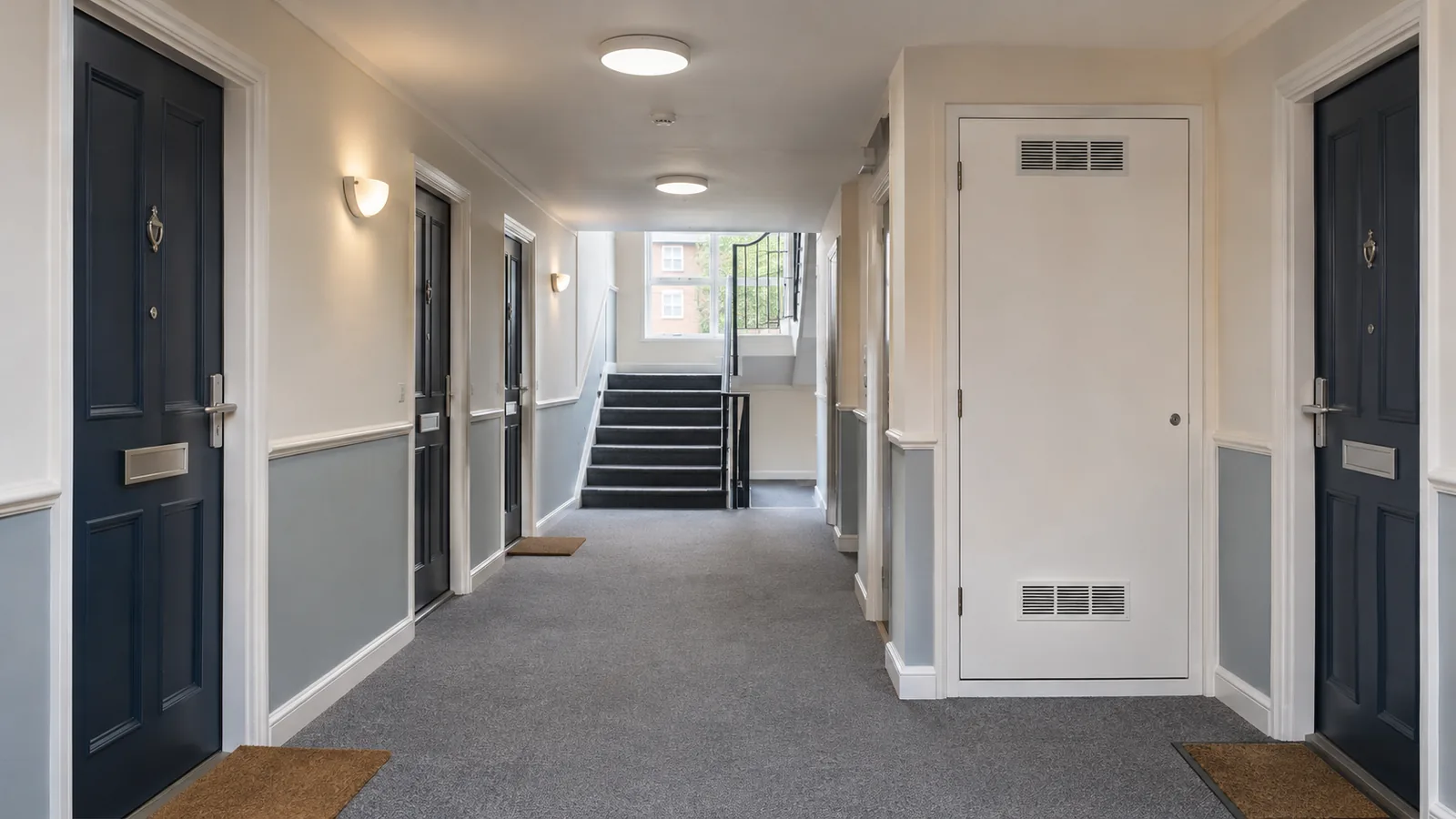
One flat may report scratching while another finds droppings by a service cupboard. Treating each report as an isolated incident can miss a route through a shared void, corridor or external structure. The British Pest Control Association advises coordinating rodent control where premises have multiple uses or occupiers. That does not mean every neighbouring flat has a problem. It means the investigation should consider the building as a whole and arrange access to the areas the evidence points towards.
Build one picture from separate reports
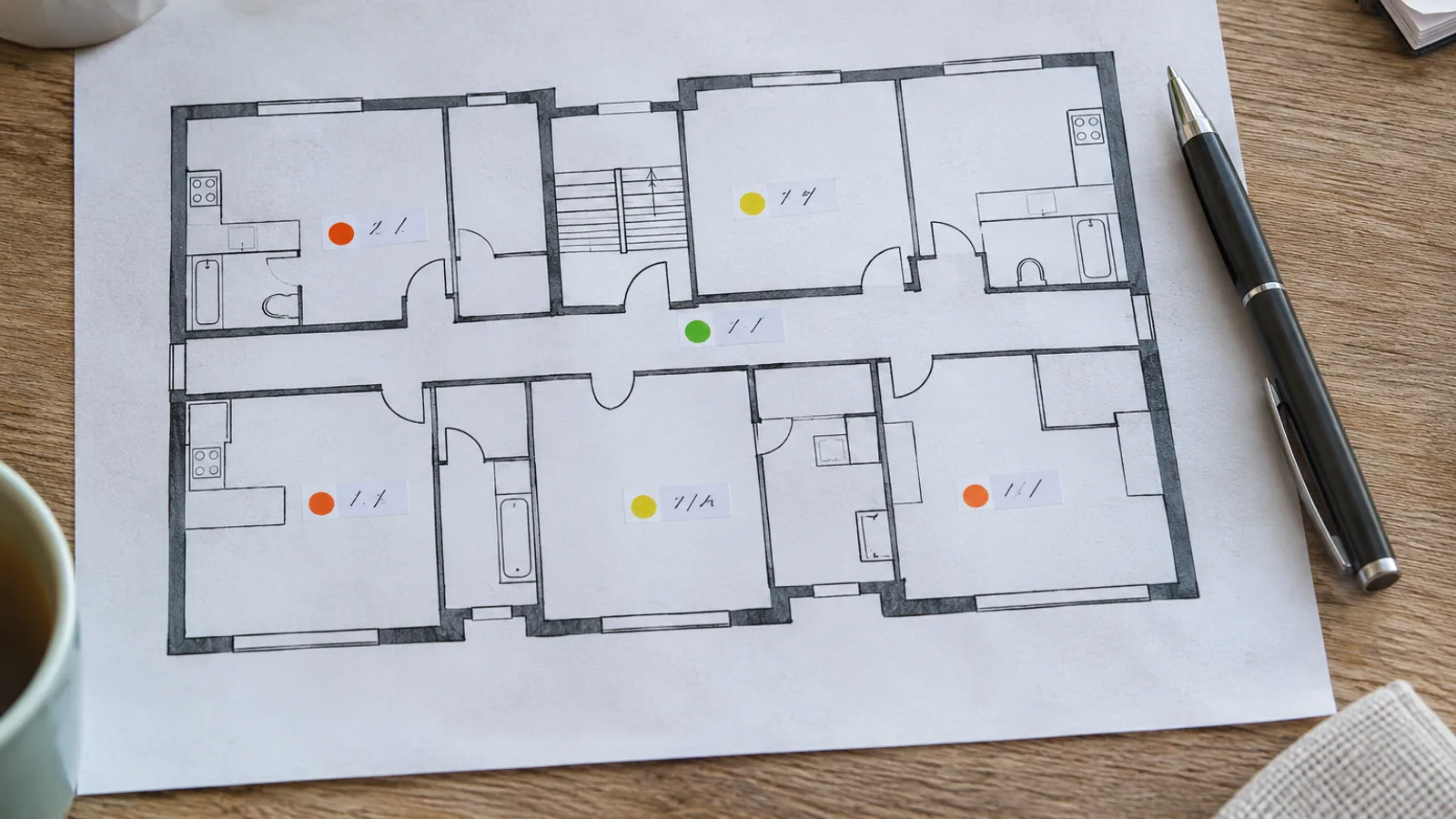
Ask each person to record what they actually observed, where and when. A sighting, a sound and a damaged food packet are different kinds of evidence. Avoid turning several uncertain reports into a confident claim about species or numbers. A simple floor sketch can show the position of a kitchen, riser, bin room and communal cupboard, with dated points for signs. Keep residents’ names and private details out of a widely shared version of the map.
Photographs should include a close view of the sign and a wider view of its setting. A dropping beneath a kitchen sink is more informative when the image shows the pipe opening behind it. A mark in a hall needs a door or wall reference so an inspector can find it. Note which areas were cleaned and when, because old marks can remain after activity changes. New signs on a previously cleaned surface deserve particular attention.
Keep reports in a consistent format: date, time, location, type of sign and whether a photograph exists. If several people send messages in different forms, the coordinator can enter the facts in one log without editing away uncertainty. A resident who heard a sound should remain recorded as having heard a sound, even if another resident later saw a mouse. This distinction helps a technician judge whether the clues connect and avoids giving a false sense of certainty.
The first useful question is often not “Which flat caused this?” but “Where are signs current, and what spaces connect them?” Rodents can use cable and pipe routes, cavities and underfloor spaces. BPCA guidance describes movement between adjoining premises through such routes. The pattern needs checking on site rather than assumed from a floor plan alone.
Identify the person who can arrange access
In a block or shared house, access may be controlled by different people. An occupant can show signs inside their room or flat, while a landlord, freeholder or managing agent may need to open a riser or arrange a repair to the building fabric. Tell the person coordinating the work which spaces cannot be inspected without their help. Make one contact list for the visit rather than expecting the technician to discover locked doors on arrival.
Give occupants clear notice of which areas may need to be seen and what preparation is requested. A resident should not be asked to dismantle fixed units or enter restricted service spaces. If someone cannot be present, discuss an authorised access arrangement beforehand. Respect privacy: circulate only the details necessary to coordinate the work, and keep individual health or tenancy information out of the pest log.
Some local councils have separate reporting routes for communal areas. Waverley Borough Council, for example, tells its tenants to report mice in communal halls and cupboards to its environmental health team. The applicable arrangement depends on the building and location, so check the relevant landlord or managing agent process rather than assuming one council’s service policy applies elsewhere.
Connect control with repairs and housekeeping
A pest inspection can identify signs and likely routes, but fixing a broken drain, open service penetration or damaged door may require a separate trade or building approval. Track those recommendations as named tasks with dates. If an opening remains, activity may recur even after treatment. The person coordinating should check that the repair was actually completed and tell the pest technician when it was done.
Shared waste areas deserve the same attention. Overflowing bins, loose food waste or an ill-fitting bin room door can support activity. Arrange cleaning and waste management across the building, not only in the first flat that reported a problem. Keep food in closed containers within affected homes and clean spills promptly. These steps reduce attraction while the source and route are investigated.
If a provider places devices in shared areas, agree who will protect access and who will receive safety instructions. Do not move or open a station to make a corridor look tidy. Keep children and pets away as directed, and make sure cleaners know which items must remain in place. A coordinated mice control or rat control plan should explain follow-up, not just the first visit.
Avoid gaps between visits
Ask the coordinator to keep one dated record of fresh signs, areas checked and repairs completed. Residents can send observations to that person without everyone having to manage the whole case. At follow-up, the technician can compare the record with what they find. If only some flats were accessible initially, say so; a quiet inaccessible room cannot be counted as cleared.
Agree how updates will reach everyone affected. A short note after each visit can say which areas were inspected, what occupants should do next and when the next check is due. It need not disclose private details or technical treatment information beyond what residents need for safety. If a repair is delayed, give a revised date rather than letting the control plan quietly stall. Clear ownership of each task matters more than a long email chain.
Look for changes in the pattern. Has activity stopped in one area but appeared in another? Did a repaired entry point coincide with fewer new signs? Have droppings appeared in a communal cupboard after it was cleaned? These observations may prompt a change in the inspection area or control method. A single quiet night in one flat is useful but does not establish that the whole building is clear.
Communicate without blame
Residents are more likely to report signs promptly when they know the information will be used to solve the problem, not assign fault from an unverified clue. A clean flat can still have a gap in a shared service route. A dirty bin room may be a contributing condition but not the only route. Share practical instructions: how to report a sign, how to clean contamination safely, which areas to keep accessible and when the next update will come.
When there is disagreement about who must arrange treatment or repair, keep the technical evidence separate from the administrative question. A written assessment can state where signs were found and what work is recommended. The owner, manager and occupants can then use the relevant tenancy and building arrangements to assign tasks. The pest problem is easier to resolve when evidence, access, proofing, hygiene and follow-up are handled as one connected plan.