London pest control service
Dead Animal Removal London
- Locate the likely source of odour before planning removal.
- Describe access beneath floors, behind walls or inside roof voids.
- Cleaning recommendations depend on the affected material and contamination.
Professional dead animal removal with discreet visits, clear guidance and premium service standards across London.
Quick answer
- Dead Animal Removal London starts with inspection before treatment.
- Treatment is selected for safety, access and property type.
- Preparation and aftercare are explained clearly.
- Follow-up may be recommended for established activity.
- Call +44 203 514 2070 for booking advice.
Dead Animal Removal London is handled best when inspection, treatment and prevention are planned together rather than treated as separate jobs.
Professional dead animal removal throughout London
Inspection, Treatment and Prevention
Unpleasant odours, insect activity and unexplained stains can often indicate that a dead animal is hidden somewhere within a property. Combat Pests provides professional Dead Animal Removal London services for homes, flats, offices, restaurants, warehouses and commercial buildings, helping property owners deal with the problem safely and efficiently. Prompt removal is essential to reduce hygiene risks and prevent secondary pest infestations caused by flies, beetles or scavenging insects.
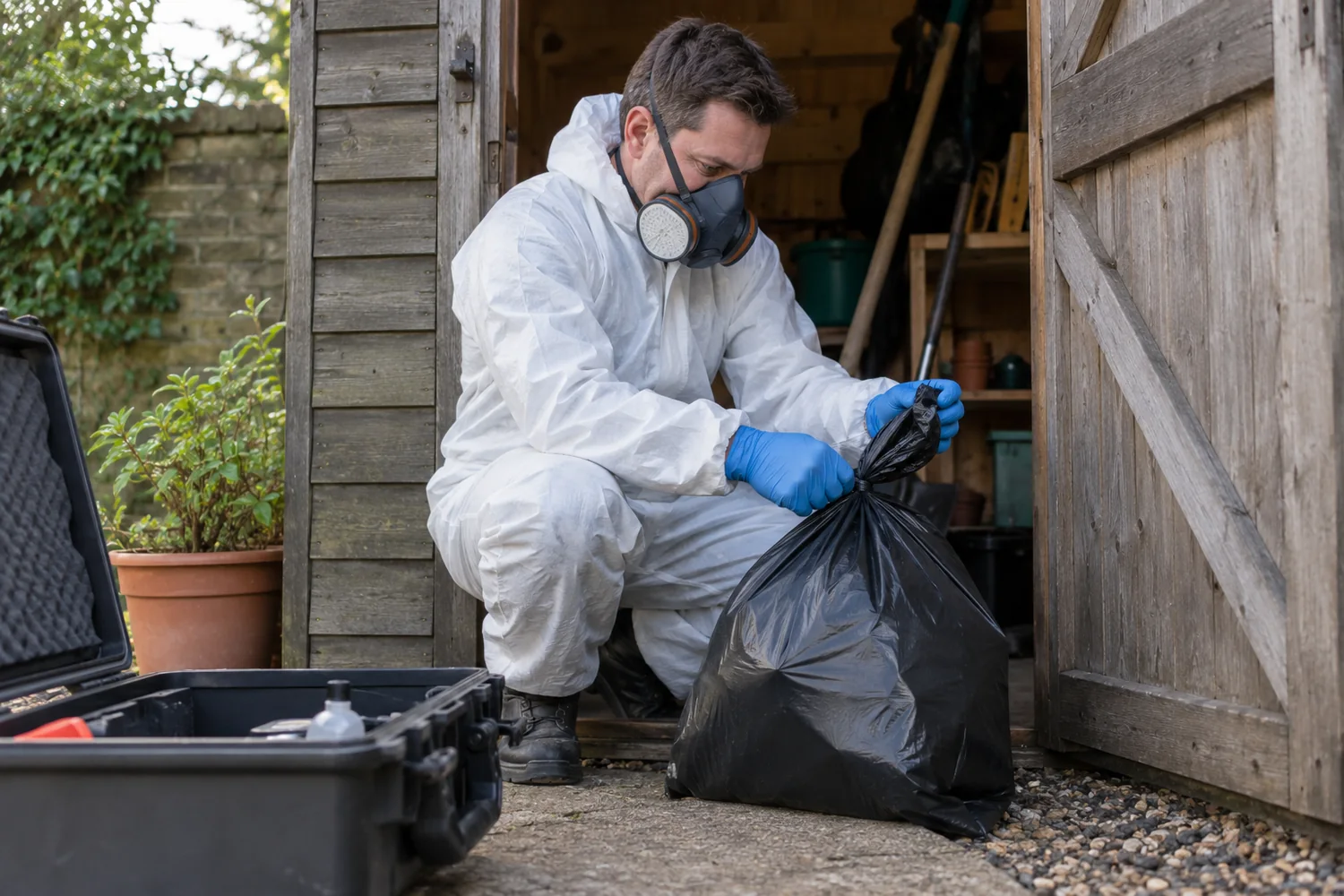
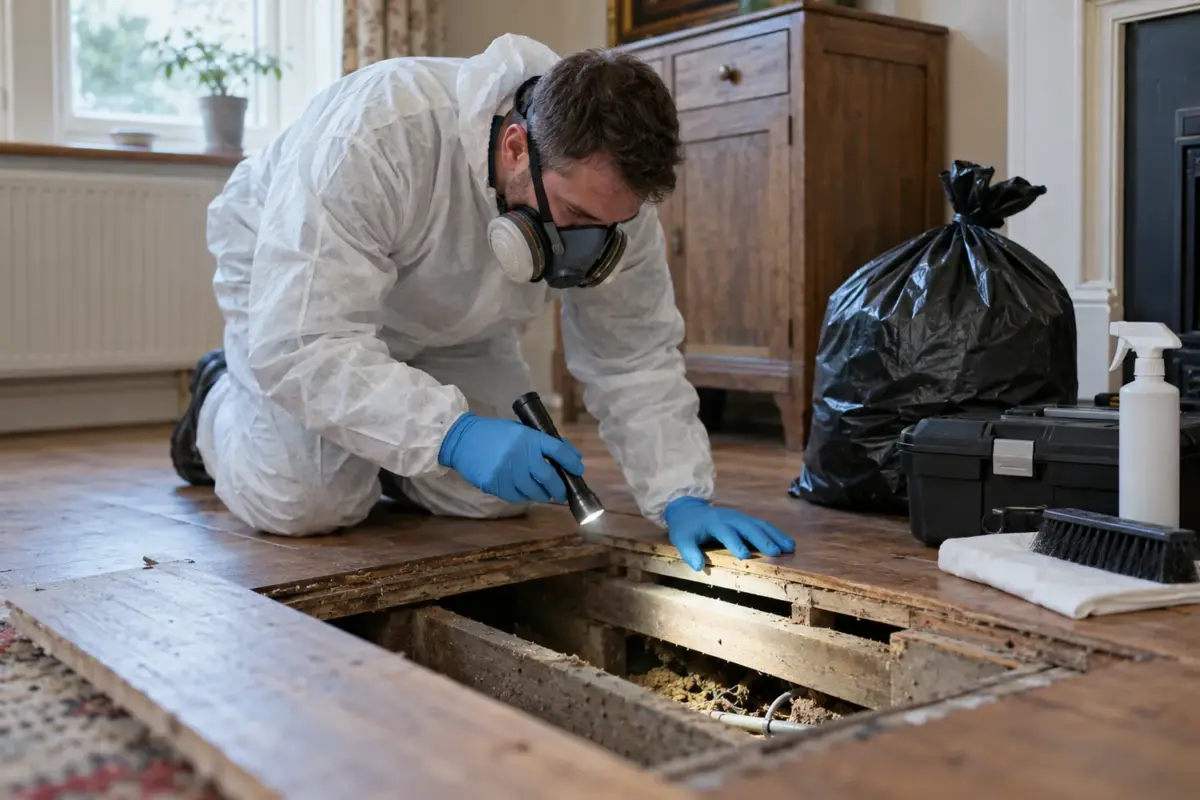
Every dead animal removal service begins with a careful inspection to locate the source of the problem. Carcasses are commonly found inside lofts, wall cavities, under floorboards, beneath decking, within ceiling voids or behind kitchen units after rodents or birds have died in inaccessible areas. Our technicians use their experience to identify likely locations before carrying out the removal with minimal disruption to the property.
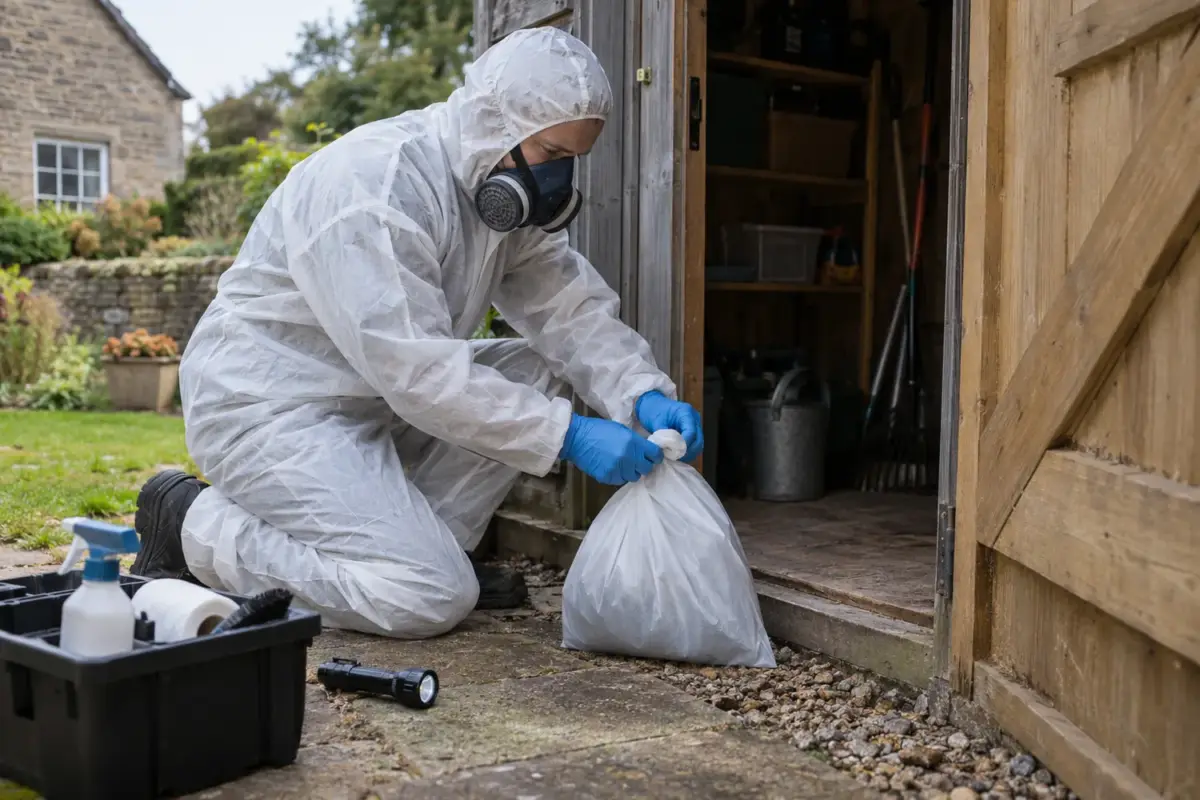
Once the animal has been removed, we clean and sanitise the affected area using professional products designed to reduce bacteria, lingering odours and contamination. Where necessary, we also recommend additional treatments if insect activity has developed around the carcass. Professional sanitisation and odour control help restore a cleaner, healthier environment while reducing the likelihood of further pest problems.
Dead animals are often the result of an underlying pest issue, particularly rodents entering roof spaces or wall voids. Our technicians inspect for possible entry points and explain what may have caused the incident, providing practical recommendations to help prevent similar situations in the future. Addressing the root cause is often just as important as removing the carcass itself.
Whether you have noticed a persistent smell, discovered a dead bird or rodent, or require assistance with an inaccessible carcass, early professional attention can prevent the situation from becoming more difficult to resolve. Delaying removal may lead to stronger odours, increased insect activity and additional cleaning requirements.
Combat Pests delivers dependable Dead Animal Removal London using experienced technicians, safe working practices and thorough aftercare. Our goal is to remove the source of the problem quickly, restore hygienic conditions and provide practical advice that helps protect your property from future pest-related issues.
What we look for
Combat Pests approaches dead animal removal as a property problem first and a treatment job second. The technician looks at evidence, access, risk and the way the building is used before recommending the next step.
The best outcome comes from matching the treatment to the property. A London flat above a restaurant, a family house with a garden and a busy office kitchenette can all need different priorities.
Signs to check
- Fresh evidence, sightings, damage or contamination risk
- Activity around kitchens, bedrooms, lofts, stock rooms or waste areas
- Repeat activity after DIY sprays, traps or cleaning
- Concern for tenants, staff, customers, guests or family members
How treatment is planned
Before the visit
Keep affected rooms accessible and avoid removing useful evidence.
During treatment
Methods are chosen around risk, people, pets, food areas and access.
After the visit
Follow cleaning, ventilation and monitoring advice so the work has the best chance to hold.
Aftercare that matters
Guide prices help customers plan before booking. Final costs depend on property size, access and treatment needs.
Combat Pests vs other options
| Option | Approach | Customer impact |
|---|---|---|
| Combat Pests | Inspection-led treatment and prevention advice | Best long-term value |
| DIY products | May reduce visible activity only | Higher repeat risk |
| Cheap callout | Often less diagnostic time | May miss the source |
What makes the visit different
Homes
Respectful visits, clear safety advice and practical prevention.
Landlords
Helpful reporting and realistic next steps for tenants.
Businesses
Discreet planning for customer-facing premises and staff areas.
Recent customer feedback
The inspection felt thorough and the prevention guidance was practical for our flat.Daniel, Clapham
Calm, careful and very tidy. The preparation advice made everything easier.Priya, Wembley
Clear advice, discreet treatment and a technician who checked beyond the obvious areas.Amelia, Islington
Best time for a pest control visit today
Checking London conditions, weather and visit access difficulty...
Live London weather
Based on weather, time and pest type
Preparing advice...
Frequently asked questions
How do you choose the treatment?
The technician bases the method on evidence, access, safety, property type and how people use the space.
Is the visit discreet?
Yes. Appointments are handled professionally for homes, commercial sites and sensitive properties.
What should I avoid before you arrive?
Avoid over-cleaning evidence, moving affected items through the building or applying multiple DIY products.