How to check a shed for signs of rats without disturbing a nest
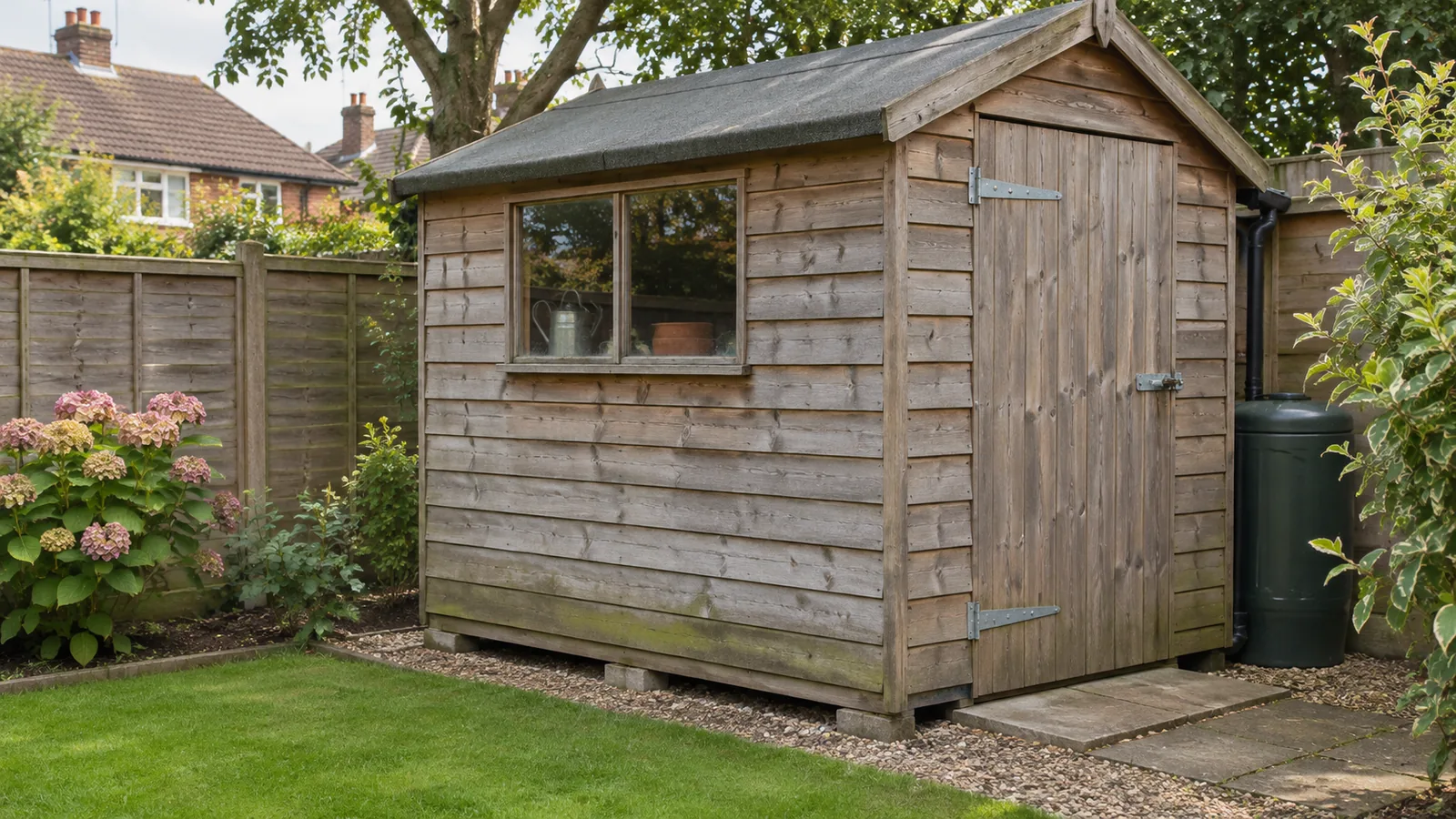
A shed offers shelter, stored materials and often a protected space beneath its floor. That makes it worth checking when rats have been seen in a garden. You do not need to empty the building or pull apart a possible nest to gather useful evidence. Begin from outside, then inspect only the parts you can reach safely. Record what you see, avoid contact with suspected contamination and let an assessment determine whether there is active nesting.
Begin around the shed
Walk the perimeter in daylight. Look where the base meets the ground, under any raised floor that is visible, and along the adjacent fence or wall. A hole beside the foundation, a worn run through grass, disturbed soil or droppings can be relevant. Test Valley Borough Council notes that spaces under sheds and decking can provide rat shelter and recommends watching for burrows there. A hole alone does not prove an active nest, so date a photograph and look for a pattern rather than declaring the source.
Notice where the animal could find food nearby. Spilled bird seed, pet feed, fallen fruit, compost and unsecured refuse may attract rats even if the shed contains no food. Record where those items are and remove accessible food safely. Do not push into dense planting or place your hand under the shed to feel for an opening. If the structure is unstable, stay clear of it.
Photograph the whole side of the shed before taking a close image of a suspicious feature. The wider view helps a professional relate the mark to a door, floor, drain or fence. Include scale without touching droppings or a hole. If the surface is muddy, a clear shoe print or garden tool in the same frame can help show size, provided it is kept separate from contamination.
Look in from the doorway first
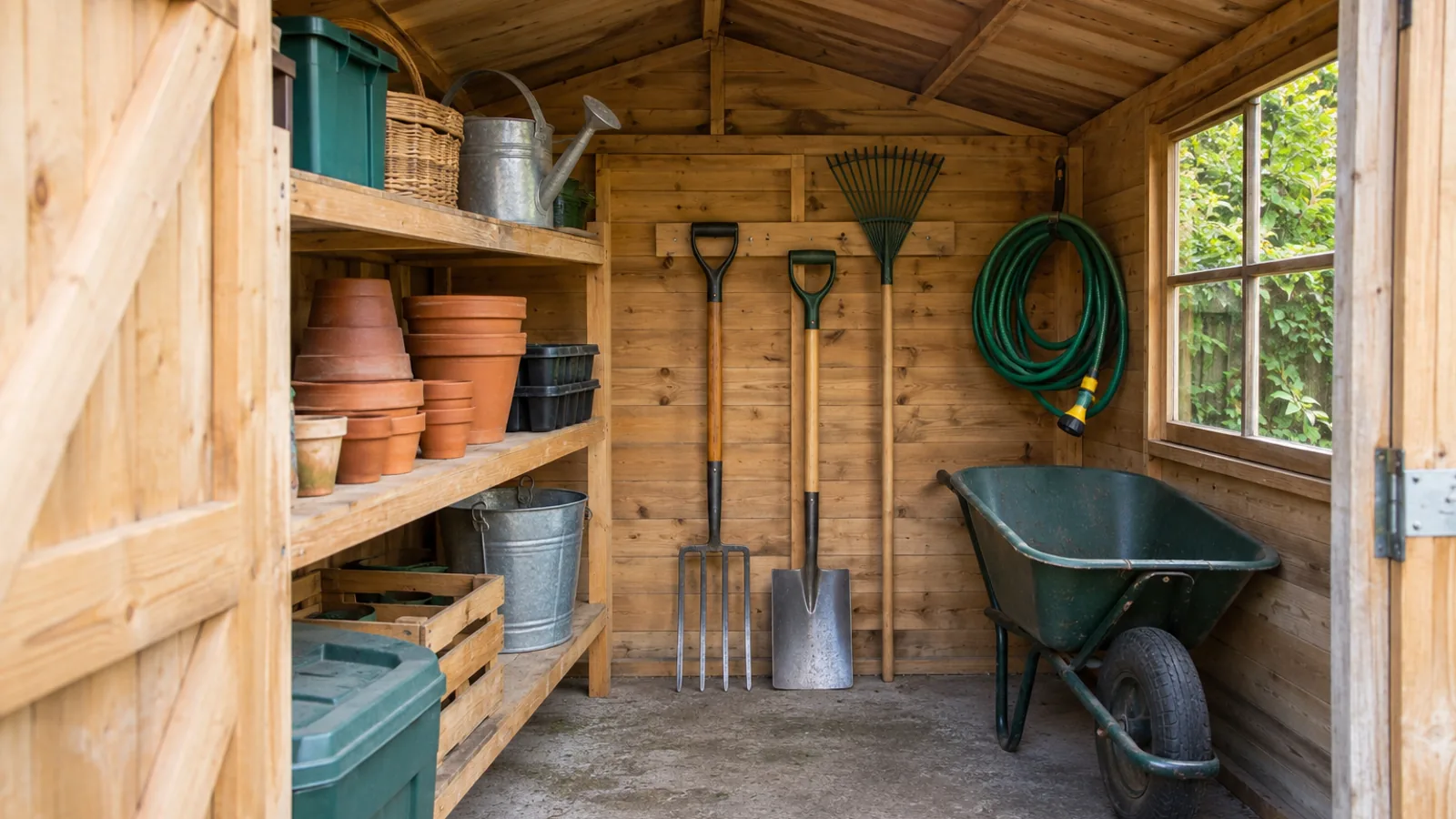
Open the door cautiously in daylight and pause. Give any animal space to move away rather than trying to corner it. Do not enter if the floor is unsafe, the building is packed so tightly that you cannot see your footing, or there is an active animal close by. A torch can reveal signs along accessible floor edges without moving heavy objects.
Scan for droppings, torn bags, gnawed packaging, shredded nesting material and rub marks along repeated routes. Cardiff Council lists shredded material and signs around sheds among relevant rat clues. Keep in mind that mice and other animals may leave some similar signs. If you only hear a movement but cannot see its source, note the time and location rather than assuming it was a rat.
Check high and low without climbing. A rat may use a shelf or beam, while activity at ground level may be hidden behind stored items. Your photographs should show where a mark sits in relation to the floor and door. Do not stand on a chair, reach above your head into an unseen corner or move a heavy stack that could fall. The inspection can be planned around safe access once the likely areas are known.
The area behind stacked pots, timber or cushions may be tempting to investigate. Resist pulling it apart on the first check. Moving a possible nest could expose you to contamination, disturb an animal and scatter the evidence that helps identify the route. A rat control inspection can decide what should be moved and how to do it safely.
Record signs without handling them
Make a short list: date, side or corner of the shed, type of sign and whether it was indoors or beneath the structure. Take a photograph of each sign and one wider frame. If you return later, photograph from the same position. A new mark after an area has been cleaned is stronger evidence of current activity than an undated mark found during a clear-out.
Do not dry sweep or vacuum suspected rodent droppings or nesting material. UK Health Security Agency guidance warns that this can put material into the air. If cleaning is necessary, follow appropriate damp cleaning and protective advice. Ventilate the shed before cleaning and keep children and pets away. Bag contaminated waste securely and wash hands afterwards. If the extent is substantial, ask a professional how to approach it.
Avoid tasting, sniffing closely or touching a damaged food or seed bag to decide whether it is contaminated. Dispose of visibly gnawed or fouled contents. Store replacement seed or feed in a sound, closed container and remove the source of spillage. Do not leave bait or an improvised trap inside a shed where children, pets or wildlife may reach it.
What the signs can and cannot prove
A burrow under a shed, fresh droppings and repeated sightings together make activity more likely. Yet the nest may be elsewhere; a shed can be a stop on a wider route. Conversely, a quiet, clean interior does not rule out activity under a raised floor. The inspection should consider the perimeter, neighbouring cover, food sources and any route toward the house.
If signs are only outside, ask whether the shed is the source or simply adjacent to movement. If there are signs inside the house too, report them separately and explain their distance from the shed. A pest inspection can compare the two areas without assuming one caused the other. Do not block an active-looking hole immediately; the timing and method of proofing should follow the assessment, especially if an animal could be inside.
Think about what changed before the sightings began. A newly raised shed, stored bags of seed, an overgrown border or a nearby building repair may alter shelter and access. Write the change down, even if you doubt it matters. It gives the inspector context without turning the observation into a theory. A recent clearing of vegetation can also expose an old hole, making it look new when it is only newly visible.
Prepare for a useful visit
Make the shed accessible from the doorway, but leave suspected nesting material and the immediate route undisturbed. Move only clean, clearly separate items if you need to create safe access. Tell the provider about stored chemicals, sharp tools or a damaged floor. Share dated photographs and any sightings around the garden. If a neighbour has observed activity by a shared boundary, note their account without treating it as confirmed in your shed.
Ask what evidence would establish current use, whether the base or floor needs repair, and what changes to food or cover will help. After control, a solid base and sensible proofing may reduce future shelter, but the exact repair depends on the structure. The immediate goal is a safe, credible picture of activity. Careful observation from the outside and doorway often provides more useful information than a hurried clear-out that destroys the pattern of signs.