Why rodent activity may continue after a first visit
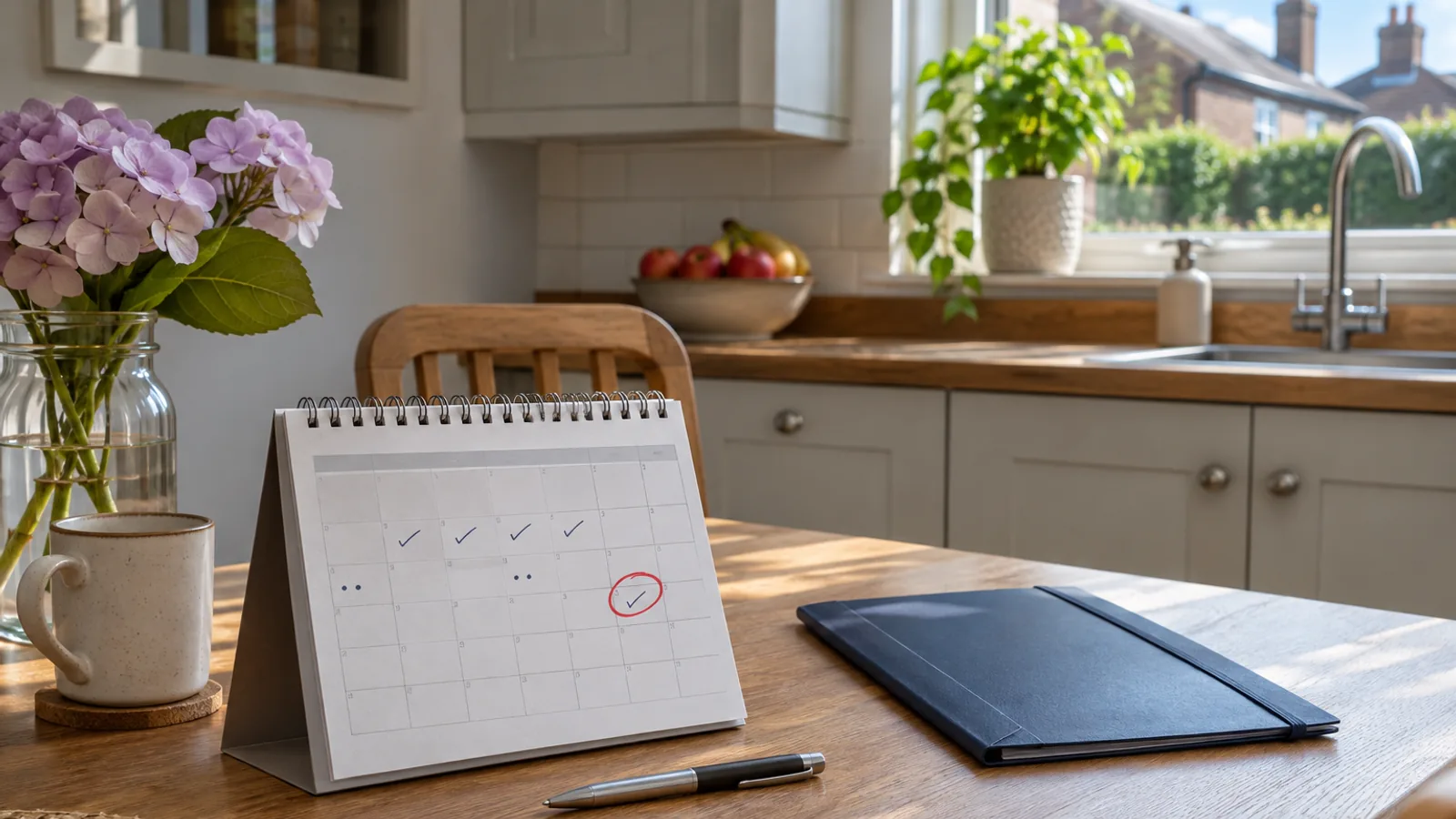
Seeing a mouse or rat after a first pest control visit can be frustrating. It does not, by itself, show that the assessment or treatment has failed. Rodent control often requires observation, access work and a follow-up check. The meaning of a new sighting depends on what was found, what action was taken and whether there are fresh signs in the same or new places. Keep the visit report close, follow its safety instructions and record what changes.
What a first visit may establish
An initial appointment may identify likely routes, food sources, harbourage and signs of current activity. The technician may recommend proofing, housekeeping changes, monitoring or a treatment suited to the species and property. Some work can begin immediately; other steps depend on access, a landlord or a later inspection. The first visit is often the start of a plan rather than a promise of silence that night.
UK council pest services commonly describe rodent work as a sequence of visits. Middlesbrough Council, for example, says mouse activity may continue for a period after treatment and that more than one visit is usually needed. The precise timetable for your property should come from your own provider, because it depends on the method used and what they found. Avoid applying a council’s published schedule to an unrelated private job.
Read the report for the species identified, the areas covered, the planned revisit and the tasks assigned to you. If the language is unclear, ask for an explanation. You should know what needs monitoring and whether any access or repair is outstanding. A written plan also makes it easier to tell the difference between expected short-term activity and a reason to reassess.
Ask whether monitoring locations should remain accessible between visits. A cupboard packed tightly after the appointment can prevent a proper check, even if the original equipment remains in place. Make a note of rooms that were inaccessible at the first visit and arrange access before follow-up. If a contractor needs to inspect a drain or repair a service opening, keep that appointment linked to the pest control timeline so nobody assumes the other task has already happened.
Compare activity, rather than counting sightings alone
Record the date, time and location of each new sighting or sound. Add photographs of fresh droppings, gnawing or damaged food where safe. Note whether the signs are in a place already discussed at the visit or somewhere new. An isolated sighting the next day means something different from fresh evidence appearing repeatedly in a previously unaffected room.
Do not rely on sound volume or a single quiet night to judge progress. Rodents may travel within walls or under floors, and noises can be intermittent. Conversely, an old dropping can remain after activity has stopped. Photograph a surface before cleaning it and date any sign that returns. This gives the follow-up technician more useful evidence than a general statement that the problem feels unchanged.
Keep a short timeline of other changes too. Have you moved food into sealed containers, cleared waste, repaired an opening or changed access to a shed? These actions may alter where activity is visible. If someone else in the building reports signs, note their location separately. A mice control or rat control follow-up can use this information to test the original route and look for alternatives.
Follow the safety and aftercare instructions
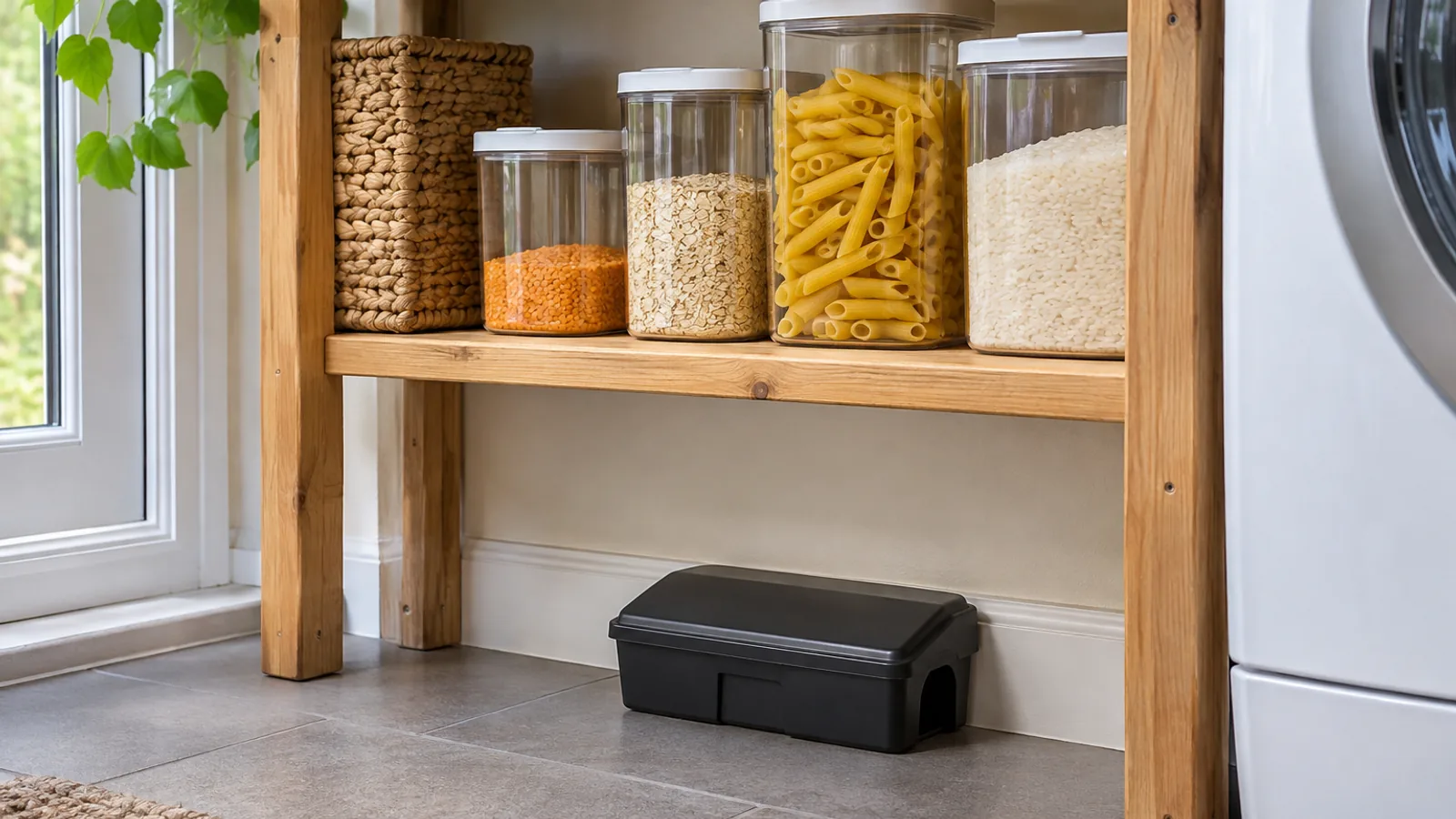
If a professional has placed a bait station or other device, do not move, open or tamper with it. Keep children and pets away as instructed. Stockport and Middlesbrough councils both emphasise leaving stations in place during their own rodent programmes. Your provider’s written advice takes precedence for the particular installation. If a station is damaged, exposed or accessible to a child or pet, contact the provider promptly.
Continue normal food hygiene. Store open food securely, clean crumbs and spills, manage bins and avoid leaving pet food out unnecessarily. These steps reduce competing food and contamination risk; they do not replace the control plan. If you find droppings in a food area, photograph the location before cleaning, then use safe damp cleaning rather than dry sweeping or vacuuming. Discard food that may have been contaminated.
Avoid adding your own traps or products without telling the technician. A new device can change the pattern being monitored or create a safety issue. If you have already used something, state exactly what and where. Likewise, do not seal a suspected active route simply because it looks obvious unless the plan calls for it; the timing and design of proofing should suit the assessment.
When to make contact before the planned revisit
Contact the provider sooner if activity appears in a new occupied room, signs rapidly increase, food or wiring may be affected, or a device poses a safety concern. Report a live animal in an area where it can contact food. A strong odour or an inaccessible dead rodent may also need advice. Describe the observation and date rather than declaring the entire treatment ineffective.
If the problem involves a rented or shared building, tell the person responsible for access or repairs about any recommended proofing. Control in one flat may be limited if a shared service void or damaged external structure remains unaddressed. Keep copies of the report and repair correspondence, and make sure the technician knows which spaces could not be entered on the first visit.
At the scheduled follow-up, ask what evidence indicates ongoing activity, whether the identified route still fits, and what conditions remain. A good review considers both signs and the building. The answer may be to continue the plan, adjust it, complete repairs or investigate another source. If the original species was uncertain, an additional pest inspection may clarify it.
Share any photos in date order, beginning with those taken after the first visit. Point out a place you cleaned and then found marked again. If no new evidence appeared, say that too. A technician can only judge progress against observations that are available, and an honest absence of signs is as useful as a report of continuing movement. Ask what you should monitor next and how to report it.
Judge the outcome over the agreed course
It is reasonable to expect a plan with a way to check progress. That check might use new sightings, fresh signs, device findings and the condition of entry points. It should have a clear point at which the provider assesses whether further action is needed. The exact standard varies by job, so ask how your provider will decide that activity has ended.
Keep the emphasis on what has changed since the first visit. A dated record helps a technician distinguish old contamination from new movement and see whether the route has shifted. It also helps you avoid two unhelpful conclusions: that one post-visit sighting proves failure, or that one quiet night proves clearance. Rodent control is assessed through the whole course of evidence and follow-up, with safety and proofing considered alongside treatment.