Why mice keep appearing in a kitchen after cleaning
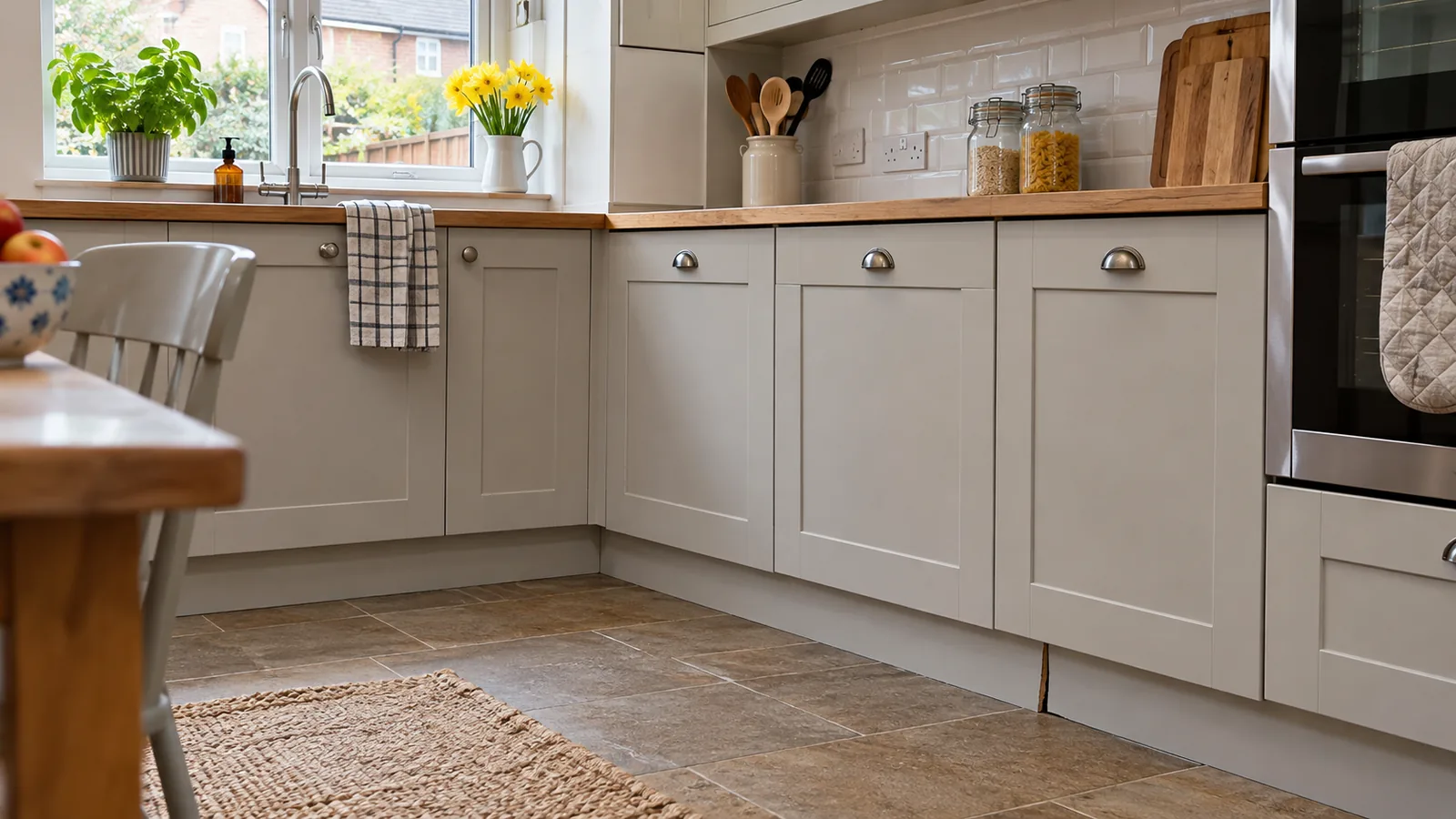
Cleaning removes crumbs and contamination, but it does not necessarily remove the route a mouse uses to enter a kitchen. A mouse may travel behind units, through a pipe opening or from a neighbouring space, then return even when the worktops are spotless. The useful next step is to record where and when activity appears and investigate access, shelter and food together. If sightings continue, a mice control inspection can connect the visible signs with the less obvious route.
Cleanliness is only one part of the picture
Food is an attraction, so regular cleaning matters. It also limits the chance that food and preparation surfaces remain contaminated. Yet a kitchen provides more than loose crumbs. Cupboards, warm appliances, voids behind plinths and gaps around service pipes offer sheltered routes. A property can be well kept and still have openings that make those spaces accessible.
The British Pest Control Association describes house mice as closely associated with human structures, where warmth, shelter and available food are useful to them. That does not mean an individual kitchen is dirty. It means the building and its surroundings need to be considered alongside housekeeping.
If you cleaned thoroughly yesterday and saw a mouse today, avoid concluding that the cleaning failed. Ask instead whether the sighting is in the same place, whether the animal appeared from behind a unit, and whether other signs remain. These observations help distinguish an established route from a one-off sighting.
It also helps to separate cleaning from proofing. Cleaning addresses what a mouse can eat and what it may have contaminated. Proofing addresses the openings it uses. Neither task is finished merely because the visible floor looks clear. The order and detail of repairs should follow what the inspection finds.
The route may be behind what you can see
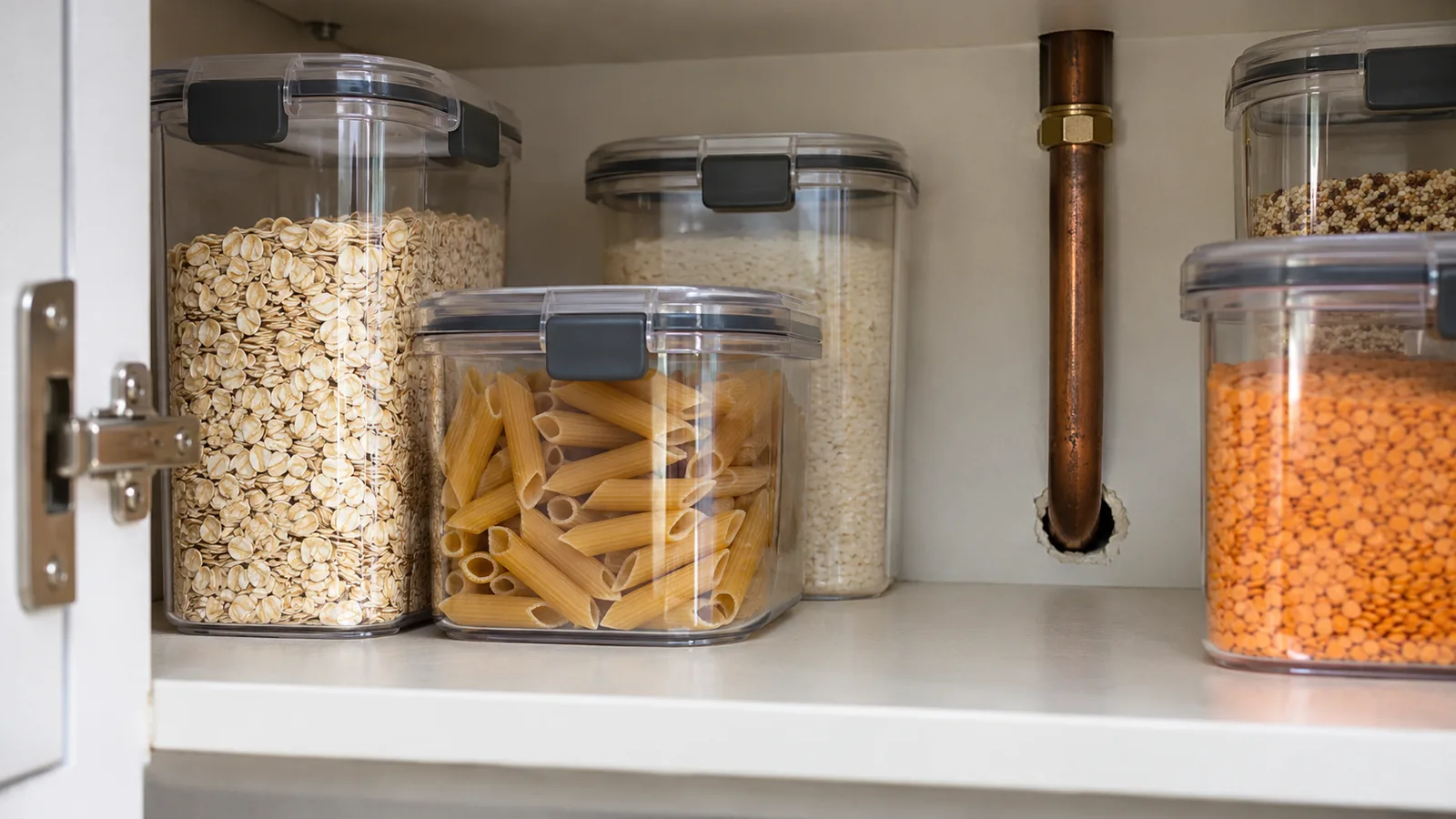
A kitchen’s finished surfaces hide many practical openings. Plumbing passes through walls and floors. Cable routes enter appliance spaces. Fitted units leave cavities that are hard to inspect without tools. Cardiff Council notes that gaps around pipes, doors and vents can provide access for mice; it also lists cluttered spaces and areas beneath sinks as possible shelter.
Look from a safe position at accessible edges: beneath the sink, beside pipework, along the bottom of a cupboard and around a door threshold. A hole is not proof that a mouse used it. A hole alongside droppings, gnawed packaging or repeated sightings is a stronger clue. Photograph both the opening and its position in the room so an inspector can understand the layout.
Do not remove electrical panels, pull out heavy appliances or seal every visible opening at once. Closing a route without understanding where mice are active can make inspection harder and may leave activity inside a void. A professional pest inspection can check likely access points and advise on proofing in the right order.
A mouse may not be feeding on your worktop
Even if you remove exposed food, a mouse may find material elsewhere: damaged packets at the back of a cupboard, pet food, crumbs beneath an appliance or waste stored nearby. The Food Standards Agency lists gnawed goods or packaging, droppings and marks around openings among the signs to check in food areas. Its business guidance is more formal than most households need, but the principle is useful: inspect storage and the surrounding structure, not only the counter you wipe each evening.
Check unopened packets for damage before returning them to a cupboard. Put food that could have been contaminated aside and follow appropriate food safety advice rather than simply wiping the packet. Store unaffected dry goods in sealed containers. Empty bins regularly and check that lids close properly. These measures reduce available food while the route is being investigated; they are not a substitute for identifying where the animal enters.
If several people use the kitchen, agree on a simple routine for dishes, spills and pet bowls. A shared approach prevents confusion about whether new activity occurred after a particular clean. It also gives a technician more reliable information than a vague report that the room is always tidy.
Distinguish a fresh pattern from old evidence
The position of signs matters more than a dramatic photograph. Make a short note of the date, time and exact location of a sighting. Record whether it was a live mouse, possible droppings, gnawed packaging or a noise. If you can photograph evidence safely, include a wide image of the cupboard or room as well as a closer view. A close-up without context is often hard to interpret.
After appropriate cleaning, look for genuinely new findings in the same area. Do not handle droppings to judge whether they are fresh. UK Health Security Agency guidance warns against sweeping or vacuuming rodent droppings because this can put particles into the air; use a wet method and follow suitable product instructions. Keep food preparation surfaces hygienic and wash your hands after cleaning.
If a mouse is seen in daylight, it is worth reporting promptly, but the time alone cannot tell you how many mice are present. Likewise, hearing a noise behind a wall does not identify the animal. The aim of monitoring is to give the inspector a sequence of observations rather than to estimate a population from one clue.
Consider the rest of the building
In a flat or a terraced property, the kitchen may be only the place where an animal becomes visible. Service voids, shared walls and communal areas can link rooms or units. Note any activity in a hallway, utility cupboard or waste area, and pass that information to the relevant landlord or building manager where appropriate. Avoid assuming a neighbour caused the problem; the route needs evidence.
Outside, waste storage and vegetation near walls can influence activity around a building. A household can keep its own kitchen immaculate while a structural gap or shared waste point remains. Record what you observe without attempting to trace an animal through unsafe or inaccessible spaces.
For a business kitchen, the stakes are different because food handling and record keeping have formal requirements. The Food Standards Agency advises regular checks for pest signs, close-fitting bin lids and action when deliveries show gnawed packaging. A manager should follow the premises’ food safety procedures and seek competent pest control promptly if activity is suspected.
When to request help
Arrange an inspection when you see repeated activity, new droppings after cleaning, damaged food packaging or signs in more than one area. Explain what you cleaned, when you saw the next sign, and which gaps or routes you noticed. That timeline is more useful than a claim that mice appeared “from nowhere”.
Combat Pests’ mice control service can assess signs and likely entry points, then explain treatment and prevention steps suited to the property. Until then, maintain food hygiene, avoid disturbing hidden spaces and keep a clear record. A clean kitchen is worthwhile; resolving recurring activity also requires understanding how the mouse reaches it.