How to manage food storage while dealing with mice
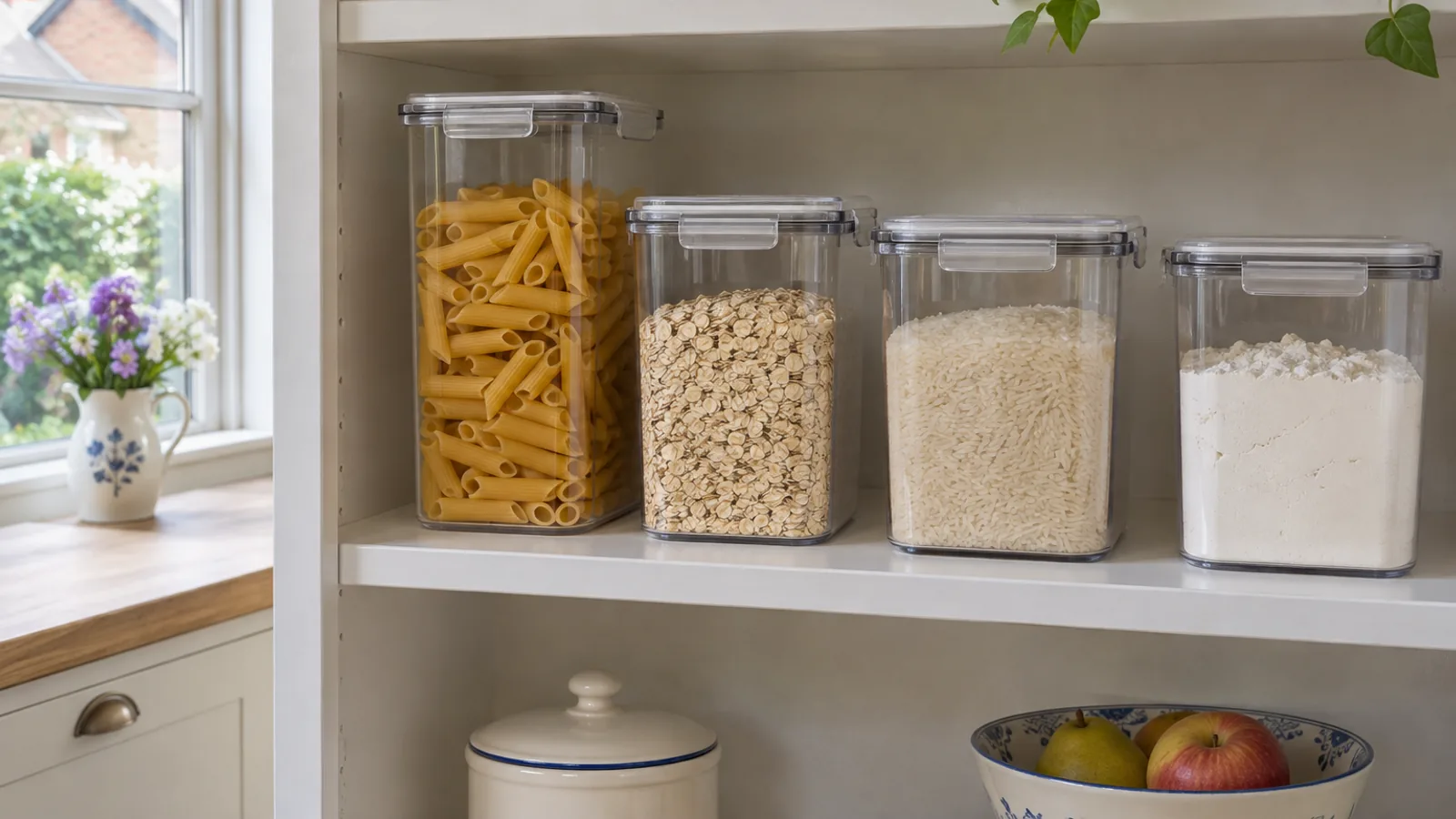
Food storage is one of the practical changes you can make while a mouse problem is being assessed. It helps reduce access to food and makes new damage easier to spot. It does not remove an entry route or replace a control plan. Work through the food you have, clean the storage areas safely, and set up a system you can maintain during follow-up visits. The priority is to protect food from contamination rather than to make every cupboard look empty.
Decide what can stay
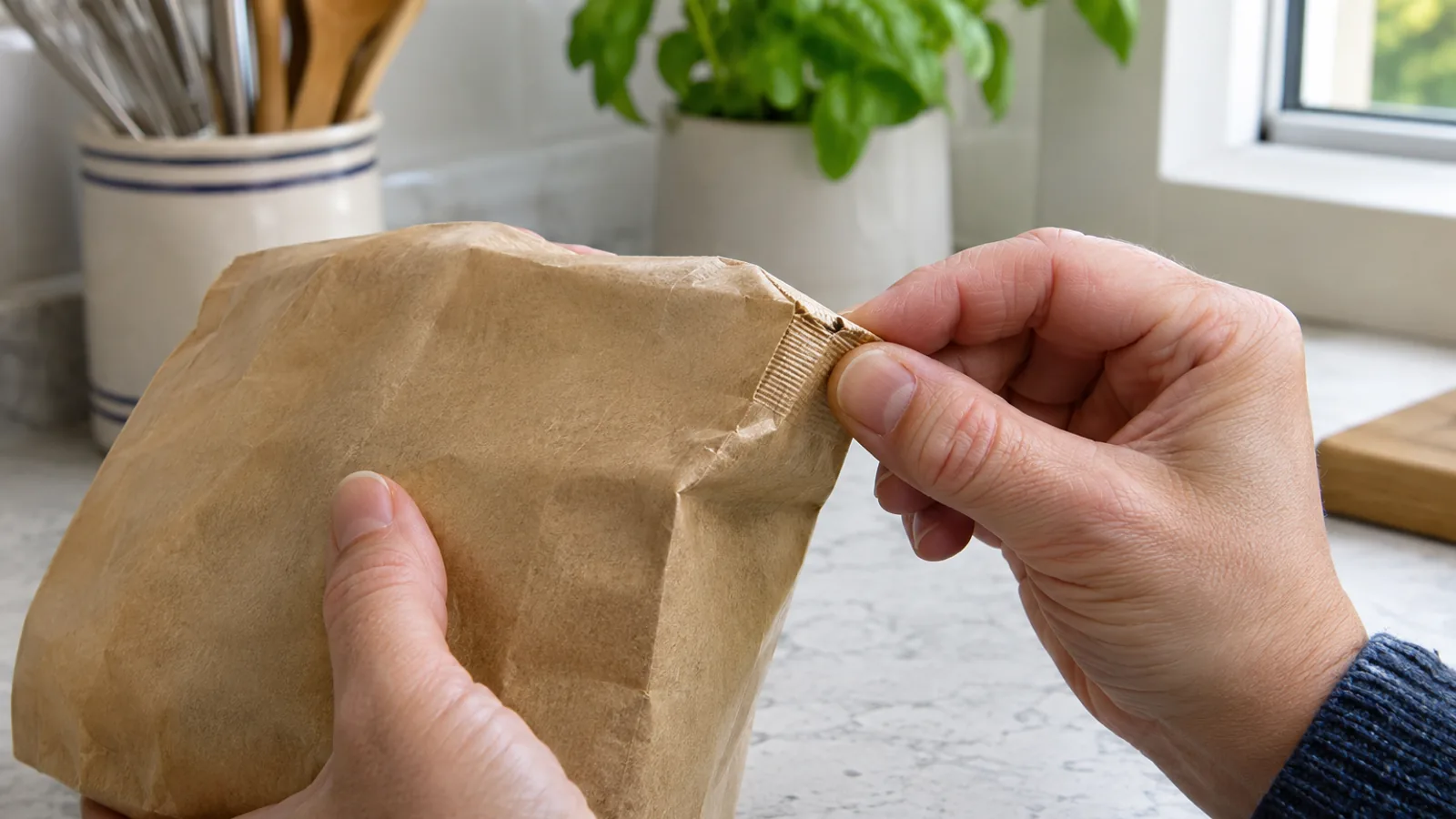
Start with packages nearest the signs of activity. Look for holes, torn corners, gnawing, droppings or staining. Do not taste food to decide whether it is safe. If a packet has been damaged or its contents may have contacted urine or droppings, discard it. Coventry City Council gives the same advice for food businesses: throw away nibbled or potentially contaminated food. The principle applies at home too, although a household does not need a commercial food safety system.
Check the underside and back of packages, not only the visible front. Thin paper, cardboard and flexible plastic can hide small openings. If you are unsure whether a sealed item was exposed, separate it from food you know is clean and ask for advice rather than putting it straight back. Record where damaged items were found; their positions may help identify a route. Photograph damage before disposal if an inspection is booked.
Move uncontaminated food from flimsy opened packs into sound, rigid containers with close-fitting lids. Label the contents and date so the new system remains usable. Sealed tins, jars and intact bottles can usually be cleaned on the outside if the exterior was exposed, following the product and hygiene guidance. Do not put a dirty package into a clean container and assume the contents are protected.
Work in small batches so you can keep track of which items came from an affected shelf. Place items you are keeping on a cleaned surface, away from the disposal bag. If a package has a manufacturer’s storage instruction, continue to follow it; transferring dry goods does not change refrigeration or use-by requirements. Where food belongs in the fridge, check the seal and cleanliness of the container before returning it.
Make storage less accessible
Keep dry foods, snacks and baking supplies in closed cupboards or containers. Do the same for pet food and bird seed. Remove food from the floor where possible. The Food Standards Agency’s cross-contamination guidance advises against floor storage because it can encourage pests. In a household, raising a bag of flour off the floor is useful, but a sealed container adds a better physical barrier.
Take a quick look at shelves before restocking. Clean crumbs and spills, including behind canisters and at the back corners of drawers. Do not overfill the space; an inspector may need to see skirting boards, pipe penetrations or the rear of a unit. A small clear gap around stored items makes new droppings or gnawing easier to notice. Keep frequently used ingredients in an accessible, closed group rather than scattering open packs across several rooms.
Water and waste matter too. Wipe spills, fix obvious drips through the appropriate trade, and empty kitchen waste regularly. Use a bin with a fitted lid and clean residue from its outside. Food Standards Agency guidance for food businesses links waste handling with pest prevention. At home, the same everyday hygiene reduces easy feeding opportunities, especially overnight.
Think beyond the main food cupboard. A bowl of fruit, an opened biscuit packet in a sitting room, treats kept near a pet bed and seed in a shed may all be part of the food picture. You need not remove normal household supplies, but put them in places that can be checked and closed. If you feed birds outside, clear spilled seed and mention the feeder’s location during the inspection. The point is to identify the available food consistently, rather than cleaning one shelf while leaving another easy source untouched.
Avoid cross-contamination while reorganising
If you find suspected droppings, photograph their location before cleaning, then keep children and pets away. Do not dry sweep or vacuum rodent urine, droppings or nests. UK Health Security Agency advice explains that this can put material into the air. Use gloves and a damp cleaning method, then wash your hands. Follow suitable disinfectant instructions for the surface, especially where food is prepared.
Clean storage containers before filling them, and use a clean scoop or hands. If you have touched an exposed packet, wash hands before handling food that will be kept. Do not carry apparently contaminated bags through the kitchen uncovered. Bag waste securely and clean the shelf or worktop it touched. Once the area is clean, photograph it; any new sign then has a useful date and starting point.
Do not move all food into a bedroom or living room without a plan. That can spread crumbs and create new storage problems. If the kitchen is affected, choose a contained, clean location and keep items sealed. Tell the technician where you have moved them. A mice control visit can assess whether activity is confined to one area or follows a wider route.
What food storage cannot solve
A mouse may still have shelter, nesting material and routes behind a unit or through a service opening. Seeing one after you have sealed food does not mean the storage work was pointless. It means the building and current activity need assessment as well. Avoid assuming that a completely clean shelf proves clearance; look for fresh signs over time and follow the agreed control plan.
If you find repeated damage in the same cupboard, note the date and take a wider photograph showing its position. Do not dismantle fixed panels to search for a hole. If a visible gap can be inspected safely, photograph it and include it in the information you give to the provider. The timing and material of any proofing should follow the assessment, especially when the opening contains pipes or cables.
Keep the system workable during follow-up
Choose containers that can be opened and cleaned easily. A complicated storage scheme that nobody follows will soon leave loose bags out again. Check the vulnerable shelf each morning for new marks, then make a brief note. Keep the area around any professional device clear and do not move it. Ask the technician which cupboards should remain accessible at the next visit.
If damaged food or fresh droppings appear after the initial action, report the exact location. This helps distinguish old contamination from ongoing activity. It may also identify a route that was not apparent at the first pest inspection. The strongest approach combines food protection, safe cleaning, observation and the building work recommended for the particular property. Better storage supports that process and helps make a return to normal use of the kitchen safer and easier to judge.