How to document rodent activity before an inspection
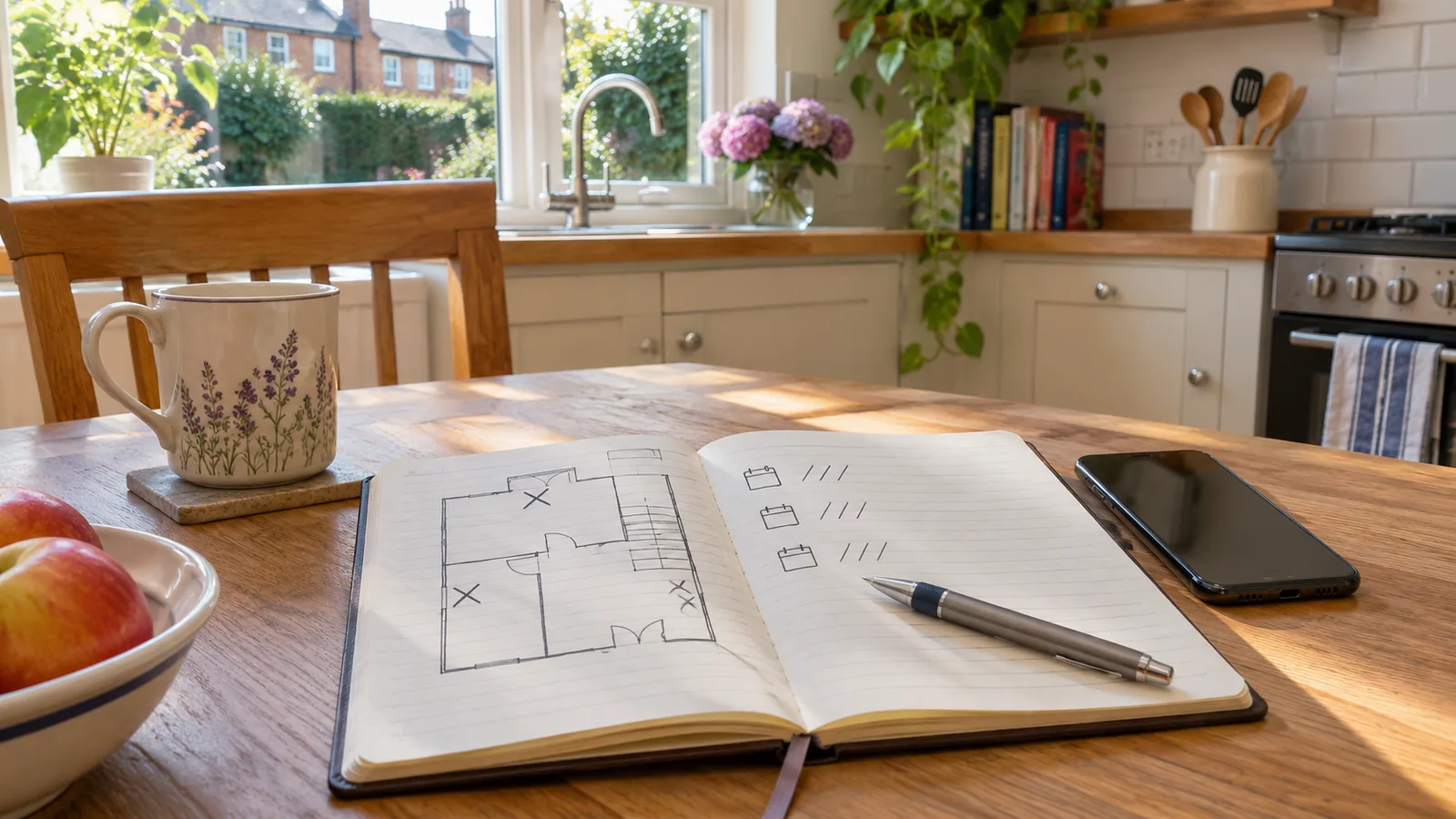
An inspector can learn a great deal from signs left by mice or rats, but those signs can change before the appointment. A cupboard is cleaned, a bin is moved or a noise occurs only at night. A small, dated record preserves that context. It need not be elaborate: a few clear photographs, a room sketch and notes about when activity appeared can help connect scattered clues without asking you to handle droppings or open a wall.
Start with a timeline, not a guess
Write down when you first noticed something unusual and what it was. Separate a direct sighting from a sound, a dropping or damaged packaging. Then add each new observation with its date, approximate time and location. If you were away for several days, record that too. It makes a gap in the timeline understandable rather than looking like a period without activity.
Use plain descriptions. “Three dark specks under the sink on Tuesday morning” is more useful than “mice everywhere”. “Scratching from the bedroom wall between 10 and 11 pm” is clearer than “rats in the wall”. The inspector can assess which species fits the evidence. Your job is to preserve what you actually observed. If you are unsure whether a mark is new, say so.
The log also helps when a problem seems to move. You may find signs beside the fridge first and near a utility cupboard later. Those places could lie on one route, or they could be unrelated. A dated sequence helps an inspector decide what to check first. It is particularly useful where several people share a property and notice different things at different times.
Photograph the sign and its setting
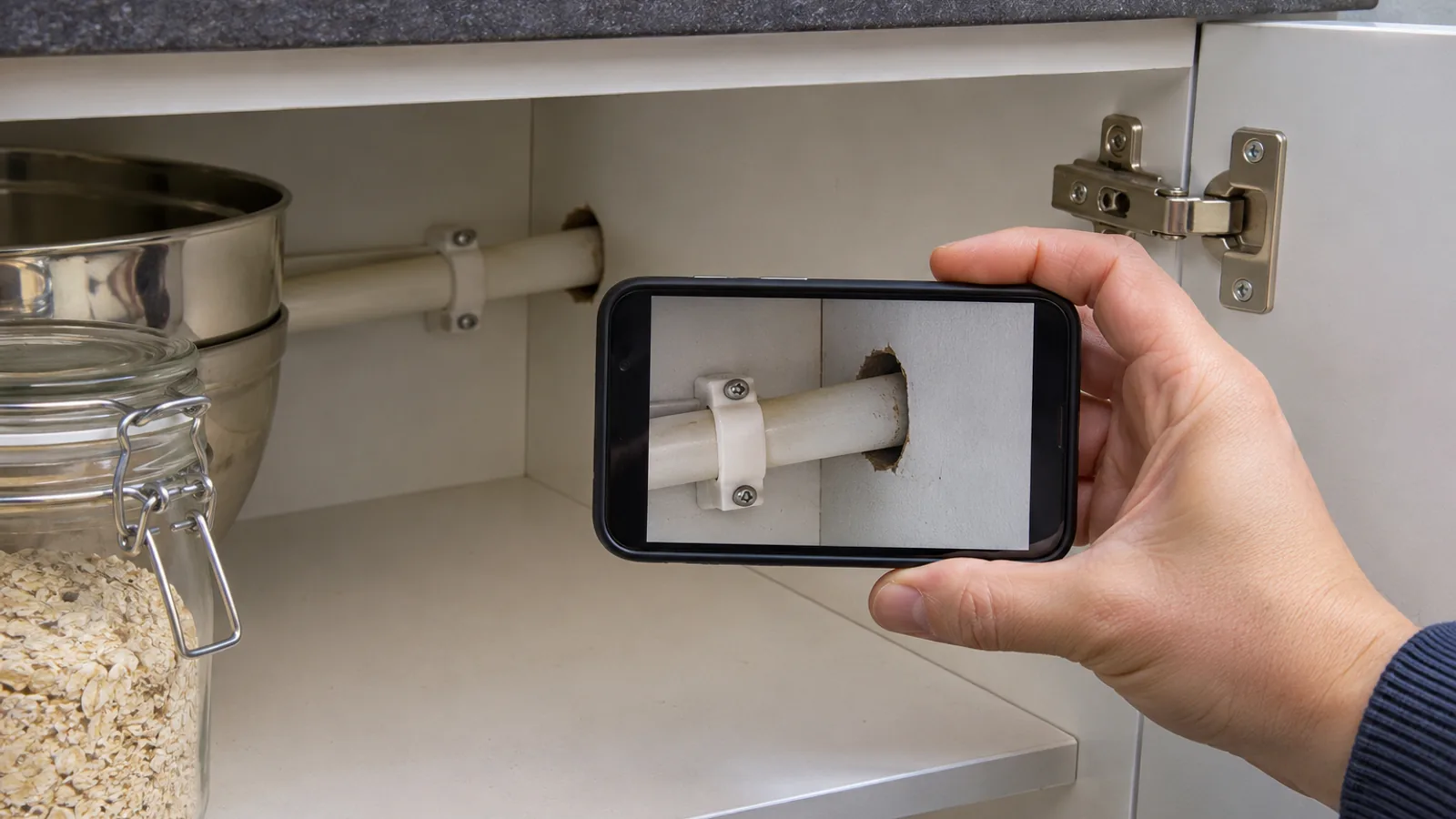
Take one close photograph of each sign and one wider photograph showing its position in the room. A close image may show the shape of a dropping or the edge of a gnawed packet. The wider image shows whether it was beside a skirting board, pipe route, food shelf or door. Keep the camera steady and use normal light; heavy filters and digital zoom can obscure detail.
For scale, place a ruler or familiar object nearby without touching suspected contamination. Photograph the object and sign together. Do not rearrange droppings or pick up an animal to improve the picture. If a gap is visible, show both its immediate edge and the surrounding wall or cabinet. The location often matters as much as the opening itself.
Repeat a photograph from the same angle to show change over several days. A clean shelf photographed after wiping and again when a mark appears makes the timing easier to judge. Keep both images. The wider frame also protects against misleading scale.
Give files useful names or keep a short matching note: “utility-cupboard-4-Nov-morning”, for example. Most phones already retain the date, but a simple label avoids confusion if images are later shared or copied. Save the original version as well as any cropped copy. A short video can show a live sighting or moving sound source, but only record from a safe position and do not pursue an animal.
Make a one-page room map
Sketch the relevant rooms as rectangles. Mark doors, outside walls, bins, large appliances and the position of each observation. Use numbers that match your log and photos. An accurate architectural plan is unnecessary; the aim is to show relationships. If a sound seems to move between two walls, draw an arrow and write “heard”, rather than presenting the route as confirmed.
Include outdoor observations if relevant: a hole by a shed, an ill-fitting drain cover or activity near refuse storage. Note whether a mark is inside or outside the building. This distinction helps when assessing possible access and responsibility. For a flat, mark the shared corridor or service cupboard if you can see it safely, but do not enter restricted spaces.
The Food Standards Agency lists droppings, footprints, gnawed goods, nests and smear marks among signs of rats and mice in food premises. The same categories can guide a household record, although an individual mark may have another explanation. A pest inspection assesses the pattern rather than relying on a single photograph.
Preserve evidence without preserving a hazard
There is no need to leave suspected contamination on a food surface for days. Photograph it first, note the position, then clean the area using appropriate precautions. UK Health Security Agency advice says not to sweep or vacuum rodent urine, droppings or nests because that can put material into the air. Use gloves and a damp method, and wash hands afterwards. Discard food or packaging that appears contaminated rather than trying to salvage it.
If a sign is in a low-risk, inaccessible corner, ask the provider whether it should remain until the visit. Do not delay essential cleaning in a kitchen or a space used by children. Keep pets away from the area. The record should support safe housekeeping, not prevent it. If you have already cleaned, describe what you removed and when. That is still useful evidence.
Avoid scattering flour or powder to obtain tracks. It can spread through living areas, and the resulting marks may be hard to interpret. Do not lift fixed floorboards, dismantle units, break into a wall or put bait into an unknown void to prove a theory. Those steps can damage the building and complicate inspection. Record accessible signs and let the assessment determine where closer investigation is justified.
Record changes to the environment
Note any recent work that might have opened or closed a route: plumbing, kitchen installation, roof repairs, new cables or an altered bin area. Also record whether you moved food, sealed a visible gap, placed a trap or used a product. An inspector needs that history to distinguish current signs from those that predate a change. If a previous treatment took place, keep the date and any aftercare instructions to hand.
If you have used a product, photograph its packaging or write down its exact name. Do not apply more simply to make the issue visible before the visit. The inspector needs to know what is already present and where, especially in a property with children, pets or shared access. Make the note factual rather than estimating whether the product worked.
Ask other occupants for their observations, but keep accounts separate where possible. One person may have heard scratching; another may have seen a small animal. Avoid combining the accounts into a definite species until the evidence has been checked. If a landlord or managing agent controls a relevant void, tell the inspector so access can be planned.
At the appointment, share the shortest useful version first: when the issue began, where the freshest sign appeared and whether any food or wiring may be affected. Show the map and photographs next. The professional may then look for further evidence, likely routes and conditions that support activity. Depending on what is found, mice control or rat control may be appropriate. A good record makes that decision easier to explain and easier to review later.