What happens to belongings during bed bug treatment
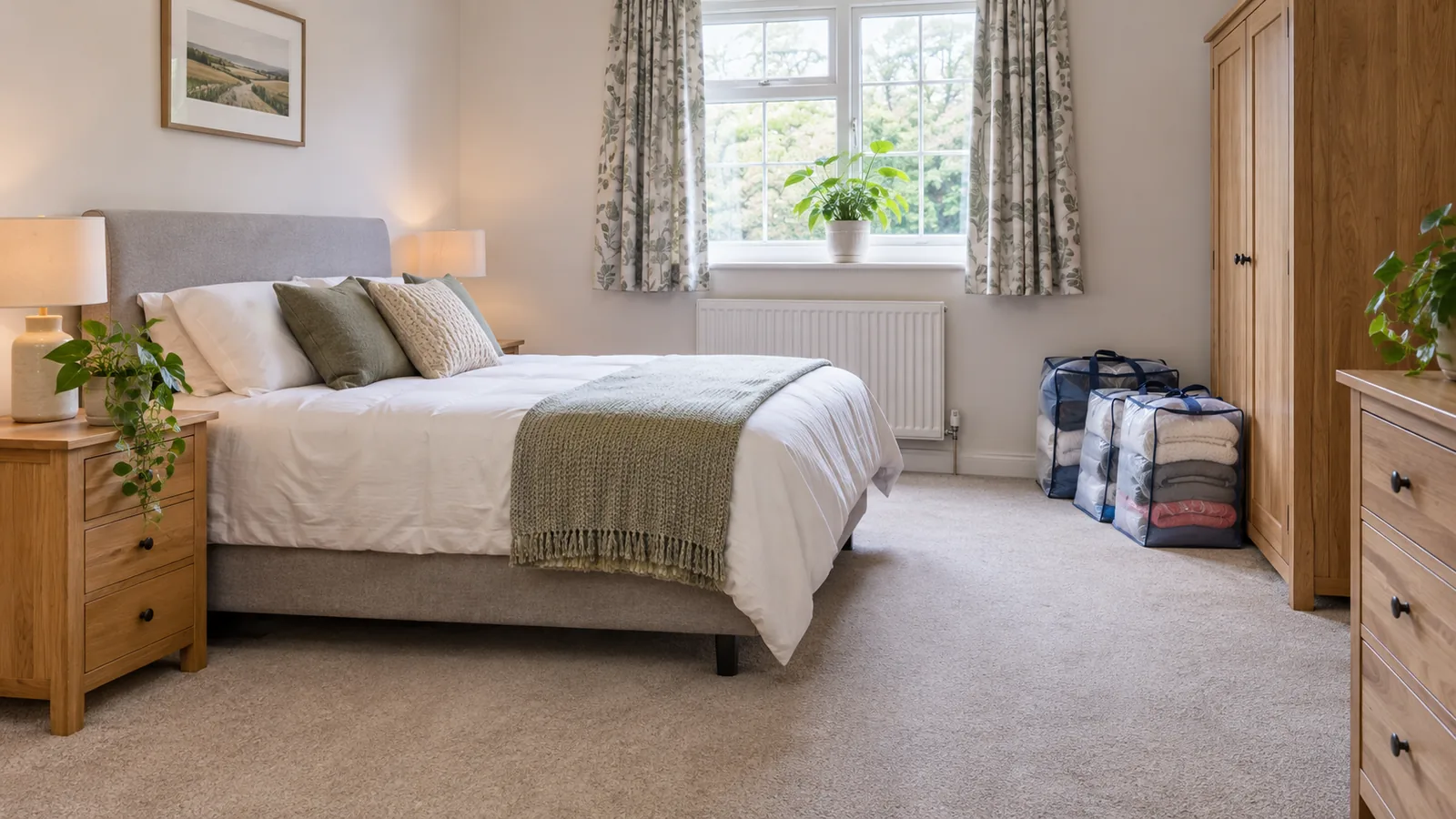
Preparing belongings for bed bug treatment can feel like the largest part of the job. Clothing, bedding, books and furniture all occupy different places and may need different handling. There is no single packing rule for every method. The provider should give a written preparation plan after assessing the affected rooms. Follow it closely, keep suspect items contained and record what has been cleaned or moved. The aim is to make treatment possible without carrying insects into unaffected spaces.
Ask for the method and the room plan first
Before emptying a wardrobe, confirm which rooms are included and how they will be treated. Residual insecticide, heat and other approaches have different requirements for access and belongings. A professional bed bug treatment plan should say what to remove, what to leave, which surfaces must be accessible and how long rooms are out of use. If heat treatment is being considered, ask about items that may be damaged by heat or require special handling.
Do not rely on a preparation sheet from an unrelated service. UK councils publish varied instructions for their own methods. Tower Hamlets asks residents not to move furniture to or from affected rooms, while Bedford describes moving some furniture within the room to allow access. Both are tied to their treatment procedures. Your provider’s instructions for your property should settle the details.
Write down the treatment date, rooms and contact person. Ask how to handle an item that cannot be washed, such as a delicate garment or a device. If you rent or share the property, arrange access to all rooms the provider needs before the appointment. An inaccessible room can leave uncertainty about the extent of activity.
Furniture usually stays in the affected room
Do not drag a bed or sofa into another room to clear space. Rochdale Borough Council notes that beds and furniture can often be treated without disposal. The provider may ask you to pull a bed away from a wall, open storage or make joints accessible, but this should be done in the agreed room and way. If a heavy or fragile piece needs moving, tell the provider rather than attempting unsafe lifting.
An item may need disposal if it cannot be treated effectively, but this is an assessment decision. If disposal is advised, ask how to wrap and move it so insects are not carried through shared areas. Do not leave a suspected mattress in a corridor or beside communal bins where it could be collected by someone else. Photograph the item and its location before removal if it contains signs that may matter at follow-up.
If the bed has a divan base or storage drawers, ask whether the technician needs them opened or partly dismantled. Do not force a mechanism that is jammed or lift a heavy mattress alone. Explain any access limitation in advance. A clear description lets the provider bring appropriate help or adjust the plan; hiding a difficult area until the appointment can leave the most important joint unchecked.
Keep bedside drawers, under-bed storage and nearby shelves accessible as instructed. A neat room with every drawer still packed may prevent the technician reaching the harbourages that matter. Conversely, emptying drawers into an unaffected bedroom can widen the problem. Use the provider’s designated containment and placement method.
Treat laundry as a contained route
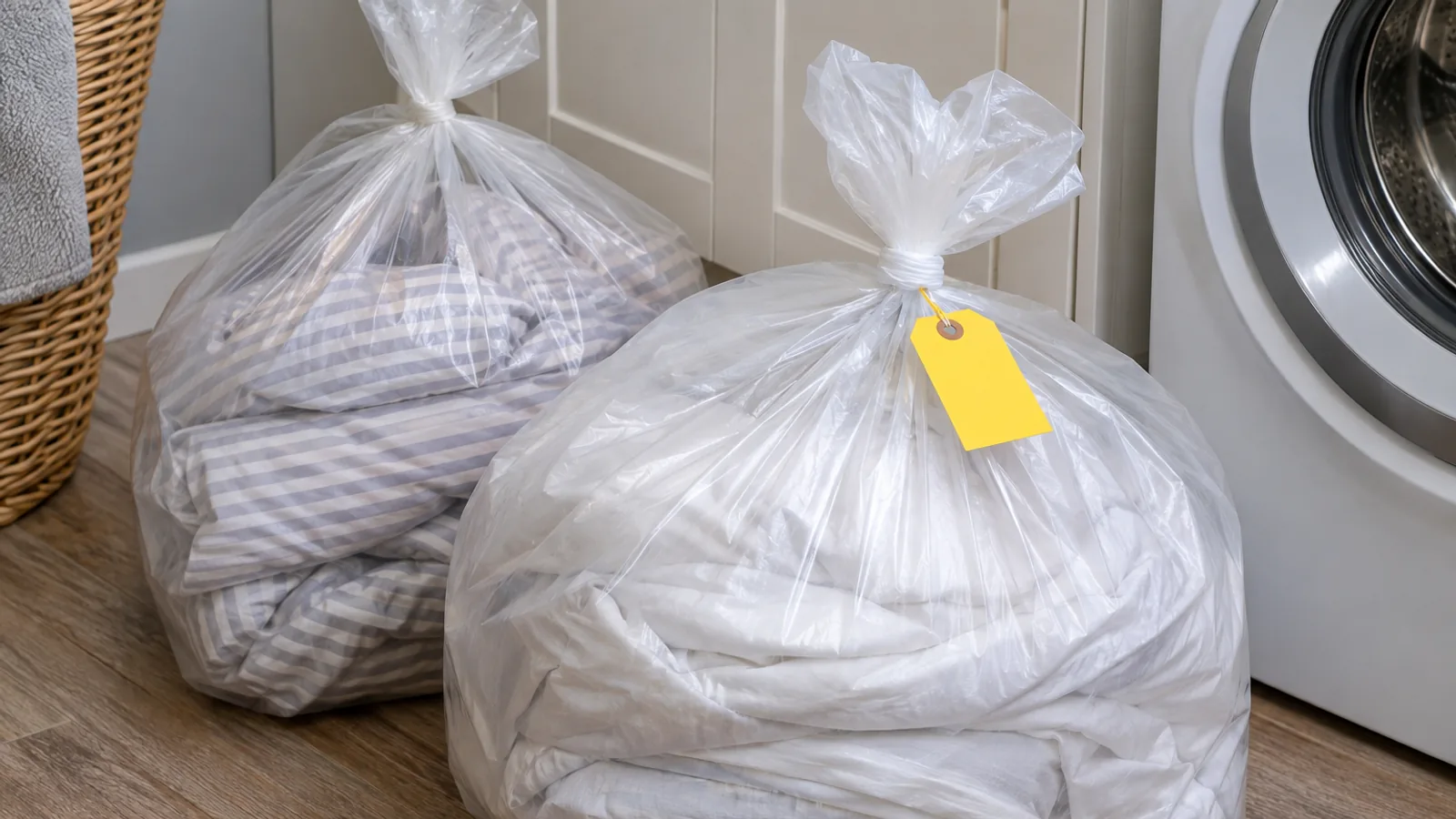
Bag bedding and washable clothing in the affected room before taking it to the machine. This reduces the chance of loose items dropping insects in a hall. Bedford Borough Council explicitly advises bagging clothes in active rooms before transport. Open bags only at the washer, then keep processed items away from unchecked ones. Label bags with a simple status such as “to wash” and “clean”.
Use the temperature and drying method suitable for the fabric and advised by the provider. The NHS recommends a 60°C wash and hot tumble drying for affected items where possible. Follow care labels and seek advice for delicate materials. A closed bag is for containment; it does not kill insects merely because it is sealed. Do not mix a clean load with unprocessed bedding while sorting it.
Curtains, cushion covers and soft toys may need attention depending on their position and the treatment area. Ask which ones matter rather than washing every fabric in the house without a plan. If a child needs a particular item, discuss how it can be processed safely and returned. Keep a short list so the household knows which belongings are ready for use.
Make the list easy to read rather than exhaustive. “Two bedding bags washed; one delicate-items bag awaiting advice” is enough to prevent accidental mixing. If several people share a laundry space, agree when affected items will be carried through it and clean the surface used for sorting. Keep the route direct and avoid leaving an open bag unattended. This is a practical containment step, not a reason to label a person or their belongings as the cause.
Handle non-washable items deliberately
Books, electronics, shoes and ornaments may contain crevices or be damaged by heat, moisture or chemical treatment. Do not spray them yourself. Put items into the category the provider specifies, and ask whether they should remain in the room, be sealed for inspection or be treated separately. Rotherham Council’s preparation guidance, for example, distinguishes washable items from non-washable ones and keeps the latter sealed in the affected room for its service.
Do not assume a few days in a bag is a treatment. Some approaches need controlled temperatures, specialist equipment or a defined monitoring period. If a contractor recommends freezing an item, ask for the exact process and whether the item can tolerate it. Record what was done so a later follow-up does not mistake an unchecked bag for a cleared one.
Protect documents, medication and essential devices from accidental removal or treatment, but tell the provider where they are. You may need a safe way to access them during the process. Keep valuables together and do not place them on untreated furniture in another room merely to get them out of sight.
Keep the aftercare plan with the belongings
After treatment, follow instructions about room entry, vacuuming, washing and when items may be returned. These vary by method and product. Maintain the distinction between treated, cleaned and unchecked belongings until the provider says it can end. If you must open a sealed bag early, record which one and why, then ask how to handle the remaining contents.
At follow-up, share the preparation list, any exceptions and a record of items moved. The technician can then interpret new signs in the right context. A practical belongings plan makes the treatment area accessible, limits avoidable spread and helps everyone know what can safely return to normal use. If an instruction is unclear, clarify it before carrying out a large clear-out; the sequence of handling matters as much as the final tidy room.
Best time for a pest control visit today
Checking London conditions, weather and visit access difficulty...
Live London weather
Based on weather, time and pest type
Preparing advice...