Bed bugs in a shared house: how to coordinate access and reporting

In a shared house, a bed bug report may begin in one bedroom but the inspection plan can involve adjoining rooms and shared spaces. The most useful response is prompt, factual reporting and a single arrangement for access. It does not require blaming the first person who noticed a sign. Bed bugs can arrive in luggage or furniture and move between rooms. A coordinated assessment helps establish where physical evidence exists and which rooms need action.
Report the sign precisely
Ask the person who found the sign to record the date, exact location and type of evidence. A live insect, cast skin or dark spotting near a bed is different from an itchy mark alone. Photograph a close detail and a wider view of the bed or furniture. Keep the original image. If an insect can be contained safely, a specimen may help identification, but nobody should be required to handle it with bare hands.
Give the report to the landlord, managing agent or agreed house contact promptly. Use a private channel for room details rather than a public group message with personal photographs. The household needs practical information, but not everyone needs to see another occupant’s belongings or health concerns. A concise shared update can say which areas are being assessed, what items should stay put and when access is needed.
The British Pest Control Association warns that multi-occupancy properties can be difficult to treat if adjacent areas are not investigated. That does not mean every bedroom is infested. It means an inspection should be able to consider the pattern and choose which rooms to examine. Record uncertain areas as unchecked rather than clear.
Arrange access before the visit
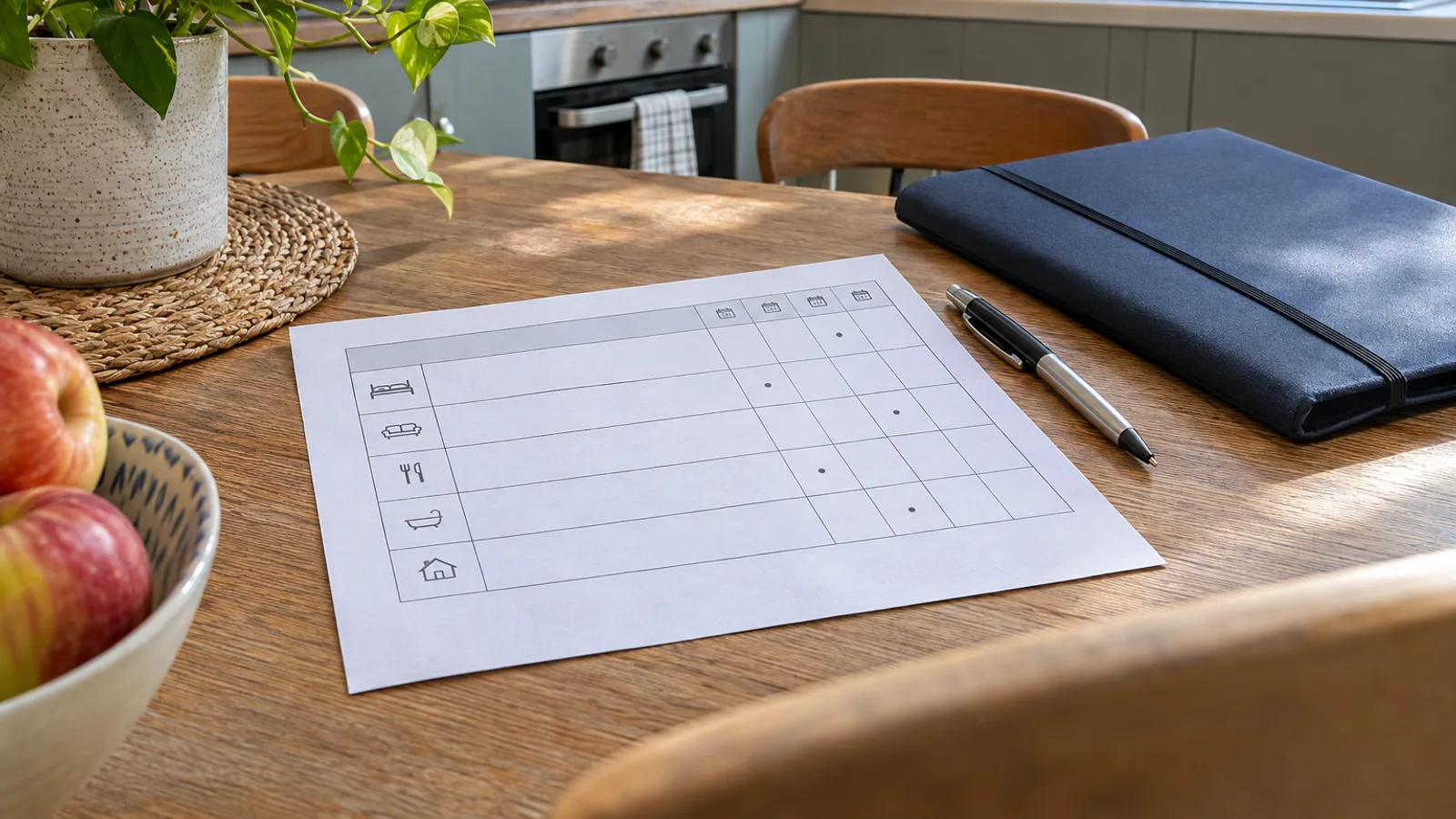
Make a simple list of rooms, occupants and available times, held by the coordinator. Ask the pest provider which bedrooms and shared spaces may need access. A technician who can inspect only the first room may have an incomplete picture. If someone will be away, arrange lawful, agreed access in advance. Do not enter a housemate’s bedroom yourself to look for signs.
Access rights depend on the tenancy and circumstances. Sheffield City Council explains that an individual tenant’s bedroom in a shared house has privacy protections, while shared parts may be managed differently. Rather than turning the pest visit into an argument at the door, the responsible person should follow the applicable notice and consent process. Give occupants the purpose, expected time and preparation instructions clearly.
One contact should collect the provider’s report and relay the practical parts to everyone affected. This avoids different housemates receiving different versions of the plan. Keep a note of which rooms were inspected and which were not. If the provider recommends checking an adjoining bedroom later, arrange that follow-up promptly.
The coordinator should also know about rooms that have recently changed occupant or contain stored furniture, because those details can affect access and the history of sightings. Do not assume the previous or newest occupant introduced the problem. Record when the room was last occupied and whether belongings were moved, then let the physical evidence guide the assessment. A simple floor sketch with room names can save time without exposing private information beyond the provider and responsible manager.
Prepare consistently without spreading belongings
Ask for one written preparation list from the provider and share it with all occupants. Different treatment methods require different handling of furniture, laundry and cleaning. Do not tell one person to empty a wardrobe into a hallway while another keeps everything in place. If bedding or clothes must be laundered, bag them in the affected room and take them directly to the machine. Keep cleaned items separate from unchecked ones.
Do not move beds, mattresses or soft furniture between rooms to create space. Rochdale Borough Council notes that affected furniture can often be treated in place. An uncontrolled move can carry insects into a room that was not part of the original assessment. If an item needs removal, ask the provider how to wrap and transport it. Do not leave suspected furniture in a shared corridor.
Shared laundry needs a simple rule. Use closed bags for transport, do not sort suspect items on communal surfaces, and clean the route or equipment as advised. Label bags so another person does not open them accidentally. If a garment cannot tolerate the recommended heat process, ask for a suitable alternative rather than quietly returning it to a wardrobe.
Keep reporting during and after treatment
Choose a single place for dated sightings to be recorded. Each entry should have the room, exact position, sign type and a photograph if available. A housemate’s bite can be noted, but it is not a confirmed insect sighting. The NHS lists physical signs including blood spots and small brown spotting and advises seeking pest help when bed bugs are suspected. A provider can compare those reports with the inspection findings.
After bed bug treatment, share the specific aftercare rules: when rooms may be entered, whether surfaces may be vacuumed, how belongings should be kept and when the next visit is due. Do not borrow an interval from a different council’s treatment page. The provider’s method and product determine the rule for this house. Make sure new occupants or visitors do not unknowingly disrupt the plan.
If a new room reports a live insect or clustered signs, tell the coordinator and provider. Do not move items from that room into a treated one or assume the first treatment was useless. The pattern may have been wider from the outset, or movement may have occurred later. A follow-up assessment can decide whether the scope needs to change.
If no new signs are found, continue to report which rooms were actually checked. “No sightings this week” is weaker than “bed frame and mattress seams checked in Rooms A and B on Thursday, no new signs seen”. Occupants should not be asked to perform invasive inspections, but a consistent light check can provide useful context. The provider should explain the monitoring period and what would trigger another call.
Keep the response practical and fair
The first report is helpful, not evidence of fault. Bed bugs occur in clean as well as cluttered homes and can be carried by ordinary travel. People may hesitate to speak up if they expect blame, allowing a small problem to become harder to manage. Encourage prompt factual reports, protect privacy and share only instructions people can act on.
At each visit, ask what was confirmed, what remains uncertain, who is responsible for the next task and when the house will be reviewed. A shared house needs one timetable and clear access arrangements, even when treatment is focused on one room. Coordinated reporting and preparation let the technician assess the true extent and reduce the chance that belongings or inconsistent advice undermine the plan.
Best time for a pest control visit today
Checking London conditions, weather and visit access difficulty...
Live London weather
Based on weather, time and pest type
Preparing advice...