How to record bed bug sightings before a follow-up visit
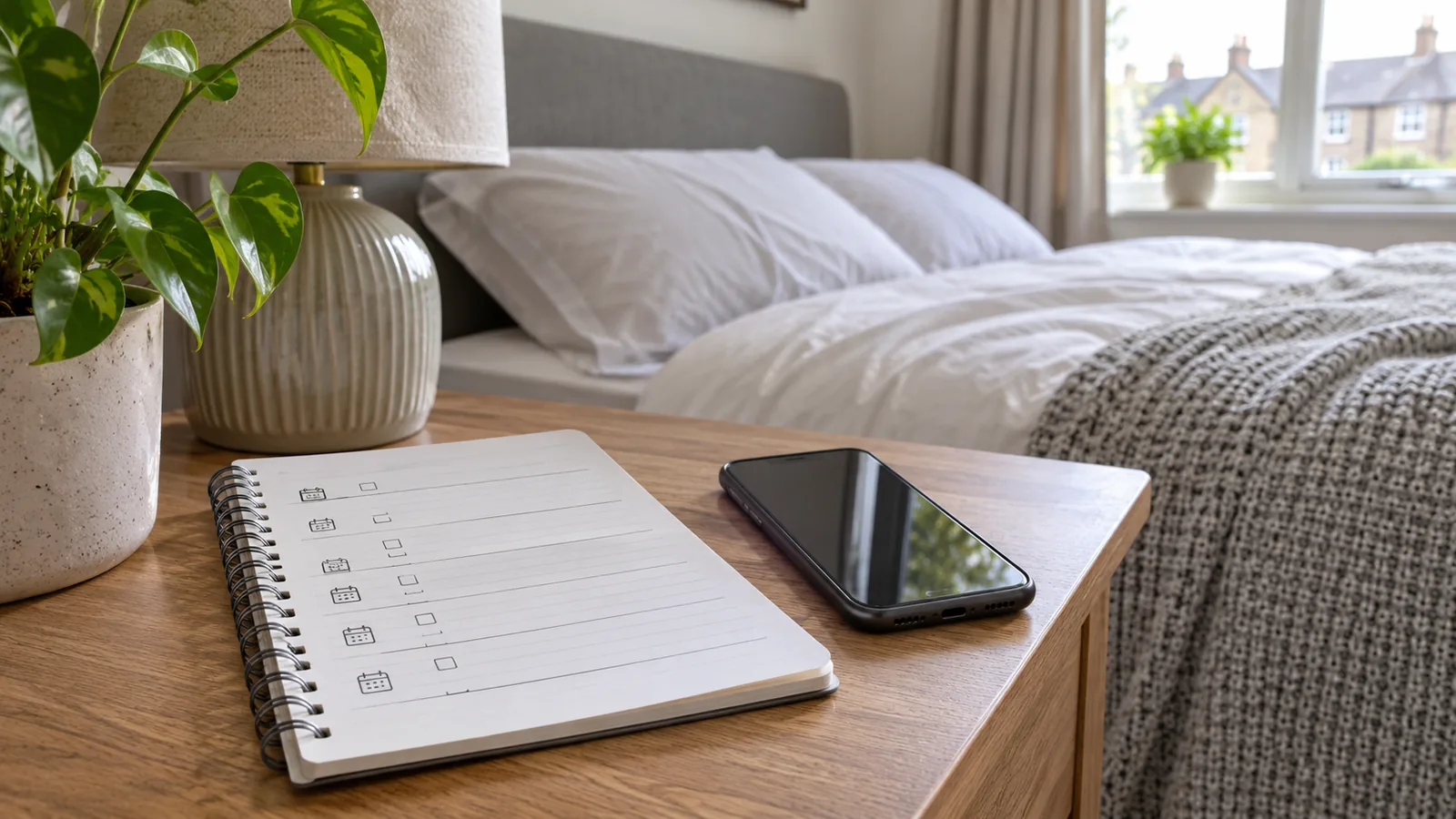
A follow-up visit works best when the technician can see what happened between appointments. Bed bugs may be difficult to find, and an old stain can remain long after the activity that made it. A short record should therefore separate fresh sightings from older marks, identify the precise room location and show what was moved or cleaned. The aim is to support identification and assess progress, not to prove a theory from a bite or a blurry photograph.
Give every sighting a date and a place
Write the date and approximate time as soon as you notice something. Name the room and the exact spot: mattress seam at the head of the bed, left bed-frame joint, skirting behind the bedside unit or the surface of a bag. “Bedroom” is a start, but the technician needs to find the same place later. If a live insect moved, record where it was first seen and where it went, without chasing it through the room.
Distinguish the type of sign. A live insect, dead insect, cast skin, egg-like object, dark spotting and blood mark are not interchangeable. Describe what you actually saw. If identification is uncertain, write “suspected” and keep the image. NHS guidance lists blood spots and small brown spots as possible signs, while councils also describe cast skins and eggs near beds. Several signs together are stronger evidence than one ambiguous mark.
If you spot the same stain again on a later day, do not log it as a new event. Mark it as “existing spot unchanged” unless there is a clear difference. A log can otherwise make a static mark look like repeated activity. If you cleaned an area and a new spot appeared afterwards, record the cleaning date as well as the new finding. That gives the technician a useful window for when the sign developed.
Keep an initial reference photograph of the mattress edge, frame and nearby furniture after the first visit, if your provider says those areas may be checked. Future images taken from similar angles can show change more clearly. Do not clean a treated surface just to create a baseline if the aftercare instructions prohibit it. The treatment report should guide what may be touched. If you are unsure, ask before altering the area.
Take two photographs of each finding
Use one close picture to show the insect or mark and one wider picture to place it in the room. A close image may help with shape and colour; the wider frame shows whether it was by the bed, sofa, door or luggage. Put a ruler or coin nearby for scale without touching the object. Try to focus on the sign, not the background. Save the original images without heavy filters or annotations that cover details.
If an insect can be contained safely in a clear, closed container, that may help identification. Do not handle it with bare fingers or crush it into fabric. If containment is impractical, a sharp photograph is still useful. Record whether it was alive when found. A dead insect found after treatment and a live insect found in an untreated room may lead to different follow-up questions.
Keep file names or a note that links each photograph to an entry. For example, “bed-left-joint-4-Nov” is clearer than a gallery of anonymous close-ups. If you share photos by message, send them in date order with room names. Avoid uploading every near-identical picture; choose the clearest detail and context view for each event.
Map locations and changes
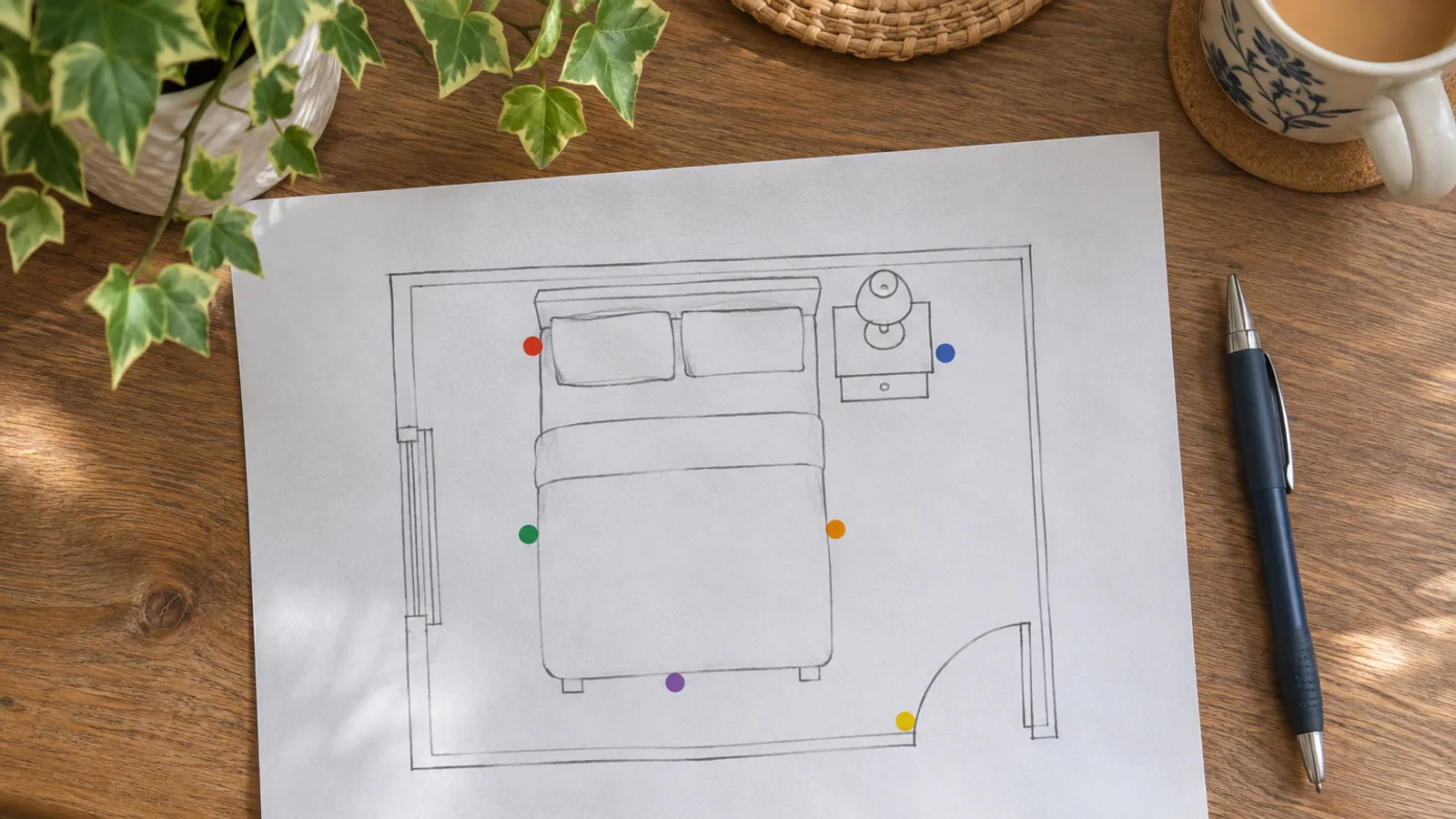
Sketch the room with the bed, doors, main furniture and any adjoining room. Put a number at each sighting position and use the same number in the log. A rough drawing is enough. It can show whether signs remain near one bed frame or appear in a second area. Do not draw an unseen route through a wall as though it were confirmed. If you suspect one, use a question mark and explain why.
Add relevant changes to the timeline: bedding washed, a bag sealed, furniture moved for treatment, a room slept in or not used, a product applied. Do not rearrange the room merely to make the map neater. The technician may need to understand the original layout and which objects stayed in place. If another household member saw a sign, let them describe it separately rather than merging several accounts into a certain story.
Bed bugs can be moved in belongings, so note if suspect items crossed into another room. This is not an accusation about who carried them. It helps define what may need checking. Rochdale Borough Council advises leaving affected furniture in its room, and a provider may give specific directions for bagged laundry or room preparation. Keep those directions with the log.
If several bedrooms are being monitored, use a separate line or page for each room. This prevents a finding near one bed from appearing to be a general household sighting. Include a simple room code on every photograph. Where a guest or housemate reports a sign, note the account in their own words and ask for the original photo if they took one. A second-hand description can be helpful, but it should remain labelled as such.
Treat bites as context, not identification
You can note when a new skin reaction appeared and where you slept, but a bite-like mark alone cannot confirm a bed bug or pinpoint the room. Reactions vary from person to person and may be delayed. Do not count each itchy mark as a separate insect sighting. The NHS advises seeking medical help if bites remain very painful, swollen or itchy after pharmacy treatment, or if pain or swelling spreads.
At the pest visit, show physical signs first: insects, skins, eggs and spotting. Mention symptoms as additional context. If no insect evidence has been found, an inspection can look at likely harbourages and consider other possibilities. Avoid applying a treatment based solely on the arrangement of bites.
Use the record to shape follow-up
Show the technician the most recent entry first and explain how it compares with the period before treatment. Ask which signs indicate improvement, which areas remain uncertain and what to monitor until the next review. A bed bug treatment follow-up may assess whether the existing plan should continue or change. Tell the provider if a room was inaccessible or an aftercare instruction could not be followed.
Keep checking only the relevant locations at a manageable interval, rather than dismantling the bed every hour. Note “no new signs observed” only for places you actually checked. A quiet day is useful context but does not prove clearance; a new mark needs its date and location to be meaningful. A concise, honest record lets the technician compare the evidence over time and gives you clearer reasons for the next recommendation.