Bed bug signs on a mattress versus ordinary wear

A stain, speck or raised thread on a mattress can cause immediate worry. Some marks are ordinary wear, while others may point to bed bugs. The safest conclusion comes from a pattern of physical signs, not one ambiguous spot or a bite alone. Check the mattress seams, nearby bed frame and bedding in good light. Photograph anything suspicious before moving items, and seek identification if the evidence remains unclear.
Look for a cluster of signs
NHS guidance lists small brown spots on bedding or furniture, spots of blood on bedding and live bed bugs among possible signs. Gravesham Borough Council adds cast skins and pale eggs around mattress seams and bed joints. These signs are more persuasive when they occur together near where people sleep. A single dark mark, especially on an older mattress, has many possible explanations.
Faecal spotting can look like tiny dark ink dots on fabric or a frame, often near a hiding place. Blood spots may appear on sheets, but they can have other causes. Cast skins are pale, insect-shaped remains rather than flakes of fabric. Eggs are small and easily missed. A live insect provides stronger evidence, but its appearance still needs checking against other household insects. If you can, photograph it sharply beside a ruler without crushing it.
Ordinary wear tends to follow contact and use. Faded fabric, pilling, loose fibres and pressure marks may be concentrated where a person lies or where bedding rubs the edge. A water stain may have a broad irregular boundary. A spot from a pen or cosmetic product may have no other insect signs nearby. These comparisons help you ask better questions; they are not a reliable home identification test by themselves.
Use the position of a mark as context. A line of dots tucked deep into a seam deserves closer inspection than an equally dark stain across the centre of the sleeping surface, because seams and joints provide hiding places. Still, position cannot confirm the cause. Dust, fabric dye and other insects may also collect at edges. Look for a live specimen or more than one type of sign before making an expensive decision about treatment or replacement.
Check the seam methodically
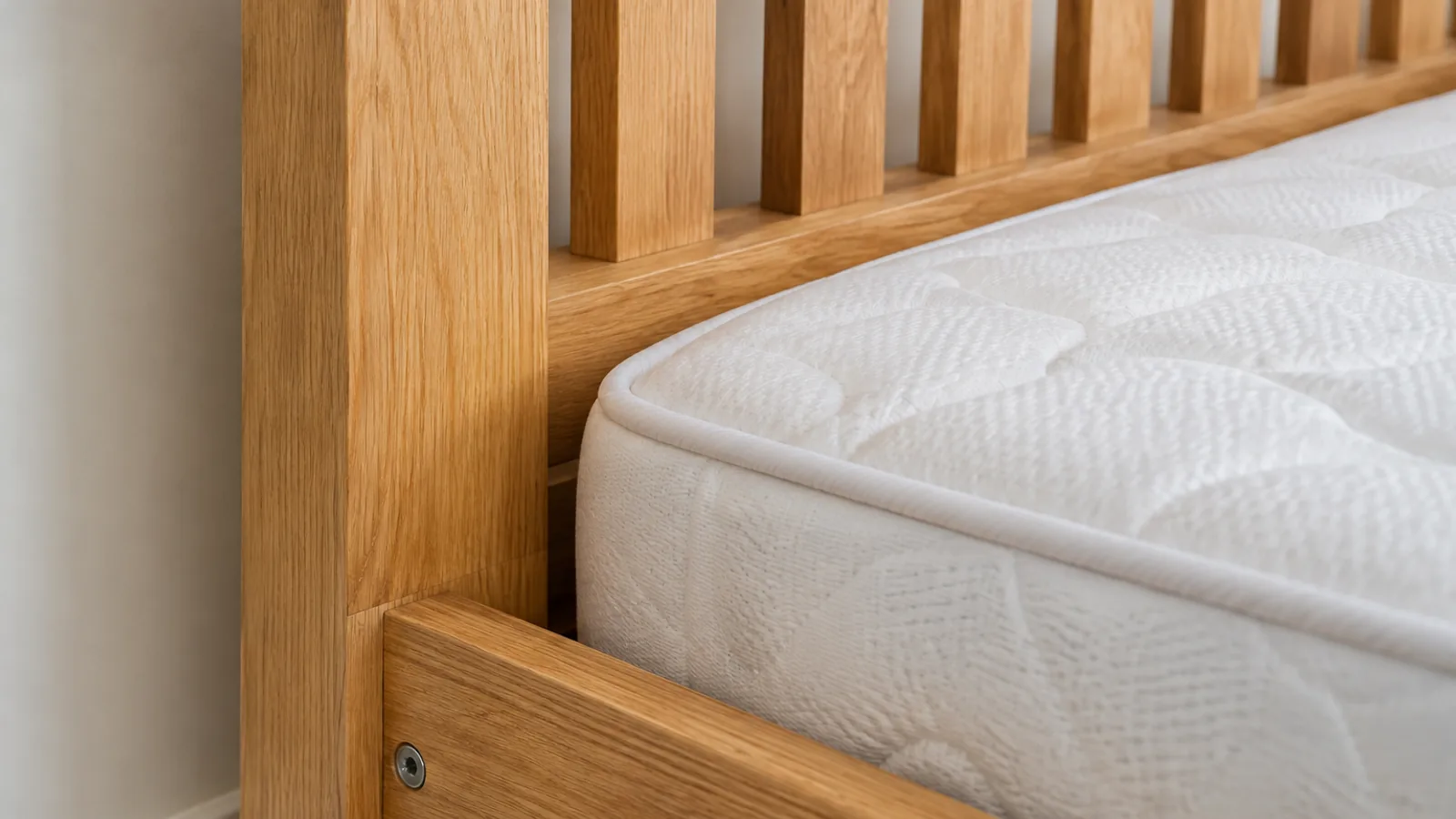
Remove the top bedding carefully and keep it in the room. Use a torch and look along the piping, label edges and folds, especially near the head of the bed. Examine a short section at a time. Do not scrape, brush or shake the seam to force something out. Photograph the whole edge, then the suspicious detail. A well-lit image with scale is more useful than a dark close-up taken at extreme zoom.
Lift or turn a mattress only if you can do so safely and without dragging it through the home. Check the underside edge and nearby frame joints. Bed bugs can hide in furniture and cracks, not only in a mattress; the NHS lists bed frames, furniture, behind pictures and loose wallpaper among possible harbourages. A mattress that appears clean does not rule out activity in the frame or adjacent area.
Avoid moving the mattress into another room to gain light. That could spread an insect if one is present. If you need a clearer view, bring a portable light to the bed. Keep suspect bedding and belongings contained in the affected room until you have advice. A pest inspection can examine the wider sleeping area and determine whether the marks fit bed bug activity.
Judge the strength of each clue
Several dark dots along a seam, a cast skin in a bed joint and a live insect nearby tell a different story from one isolated brown fleck. Note whether marks are fresh or have been present for months. If you have a photograph of the mattress from before, it can help date a change. Avoid declaring a mark fresh because it looks dark; colour alone does not give an exact age.
Bites are worth recording, but their appearance is not a diagnosis. NHS guidance notes that bites can be grouped or in a line, yet skin reactions vary. Other causes can produce itchy marks. If a reaction is painful, spreading or troubling, seek pharmacy or GP advice as the NHS recommends. A pest assessment should rely on insect evidence and location, not only on symptoms.
Do not assume bed bugs indicate poor cleaning. They can occur in clean homes and arrive on luggage, furniture or other belongings. Regular cleaning may make signs easier to spot, but a clean mattress can still have a hidden insect in a frame joint. Conversely, an old mattress with many stains may have no bed bugs. The distinction is evidence, not the condition of the room.
Keep the evidence useful
Take a close photograph and a wider one showing where the mark sits. Date the image and note whether it was on the top, side or underside of the mattress. If you find an insect, place a clear container over it if safe and practical, or photograph it in place. Avoid handling it with bare fingers. Do not use a pesticide merely because a photograph looks suggestive; incorrect application can complicate inspection and create exposure.
If laundering is needed, follow reliable advice and the fabric label, and keep items contained on the way to the machine. The NHS recommends a hot wash for affected bedding and clothing where suitable. Do not carry loose bedding through several rooms or put it on a clean sofa. Tell the pest professional what you have washed, vacuumed or moved so the current evidence can be interpreted correctly.
If you vacuum the bed area, empty or dispose of the contents carefully in a sealed bag outside, following the machine instructions and local advice. Vacuuming may remove some insects or debris, but it will not establish that the infestation is gone. Do not spray the mattress or surrounding furniture with household products without a plan. Some surfaces are unsuitable for particular products, and a professional needs to know what has already been applied.
Decide the next step
If you find a live insect, cast skins, eggs or clustered spotting around the sleeping area, arrange identification promptly. If you only have one uncertain stain, make a careful note, inspect nearby seams and frame joints, and avoid throwing away furniture in haste. Rochdale Borough Council notes that beds and furniture can often be treated and need not automatically be disposed of. Disposal can also spread insects if handled badly.
At the visit, show the photographs in order and point to the exact seam or joint. Ask what evidence confirms the species, which rooms need checking and how to prepare without moving possible harbourages. If activity is confirmed, discuss the appropriate bed bug treatment for the affected rooms. A measured check gives you a clearer answer than trying to read a mattress mark in isolation. The goal is to establish whether there is current bed bug activity and, if so, where it is concentrated.