Why one cockroach sighting deserves closer inspection

One cockroach on a kitchen floor is enough to justify a closer look, but it does not tell you how many are present or where they came from. The insect may have emerged from a nearby hiding place, arrived with goods or travelled through a shared building. It may also have been misidentified. The immediate task is to record the sighting, identify the insect if possible and check for supporting signs in the places it could shelter.
Preserve the useful details of the sighting
Write down the date, time and exact place. Did the insect emerge from beneath a fridge, run along a skirting board, appear in a cupboard or sit near a drain? Note its approximate size and colour without relying on memory for fine features. A clear photograph or specimen in a closed container can help identification. Do not handle it with bare fingers or chase it into a food cupboard for a better picture.
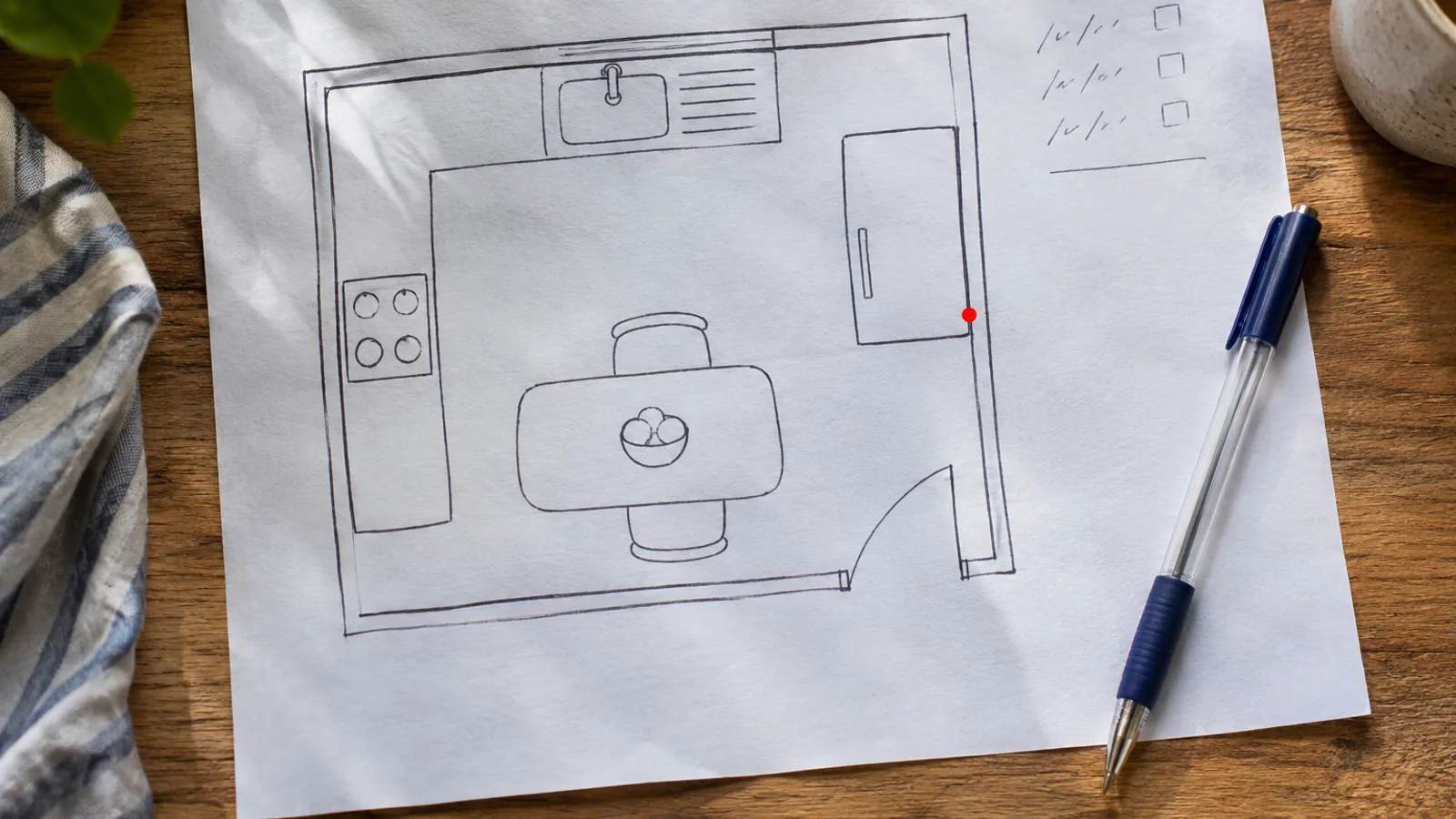
If it was moving, record its direction and where it disappeared. A quick sketch can show the appliance, pipe or door nearby. The fact that a cockroach crossed a floor does not prove it lives under that exact appliance; the route is a clue. If you saw it in daylight, record that too, but avoid using time of day alone to estimate the scale of activity. Cockroaches are often hidden during the day, yet individual behaviour varies.
Cardiff Council advises taking a live sighting seriously and investigating it. The British Pest Control Association also notes that because cockroaches are often active at night, people may see signs before a live insect. A one-off sighting therefore deserves a check, even though it is not enough to label the property heavily infested.
Confirm what you saw
Several insects can be mistaken for cockroaches in a brief view. Size, body shape, antennae, markings and wings may help a professional identify the species. A photograph taken from above and another from the side can be useful if the insect remains still. Avoid pressing it flat into tissue, which may hide the features needed for identification.
Identification matters because UK cockroach species differ in their preferred conditions. BPCA guidance describes German cockroaches around warmer, humid appliance areas and Oriental cockroaches in cooler, damp places such as basements or drains. These are tendencies, not a shortcut to identification from the room alone. A brown insect in a kitchen is not automatically German cockroach, and an insect near a drain is not automatically Oriental.
If the insect is gone, keep the details and look for physical signs. Do not begin a broad chemical treatment because a picture online seems similar. A pest inspection can check likely harbourages and determine whether cockroach control is warranted.
Ask anyone else who was present to describe what they saw before comparing accounts. One person may remember stripes while another remembers only a dark insect moving quickly. Neither account should be made more definite than it is. If the photograph is poor, say that clearly to the professional. A doubtful identification can still guide a search, provided it is labelled as doubtful rather than treated as a confirmed species.
Check nearby harbourages and food areas
Use a torch to inspect accessible edges around the sighting: behind a movable bin, under the sink, along cupboard hinges, beside pipes and around warm appliances. Do not pull a heavy cooker or fridge out alone, and do not reach into electrical fittings. Look for small dark droppings or smears, shed skins, egg cases, damaged packaging and further live insects. The BPCA lists these signs as useful clues.
Photograph both a close detail and a wider view of its location. A dark speck by itself can be crumb or dirt; a cluster near a sheltered joint plus an identified cockroach is more persuasive. If the area was cleaned recently, note when. New signs after cleaning are easier to date than marks found in an undisturbed cupboard.
Check whether there is an accessible water source or food residue. A leak, spilled pet food or bin residue can support activity, but none proves the source of the insect. Clean spills and keep food in closed containers while an assessment is arranged. If food or preparation equipment may have been contaminated, deal with that promptly using appropriate food hygiene practice. Do not leave a soiled surface untouched solely to preserve evidence; photograph first.
Make a short note of recently delivered groceries or packaging stored nearby, especially if boxes were left behind a unit. That history may be relevant to a first appearance. It should not replace a check of the building, because a cockroach may already have been hidden there. Flatten and dispose of unnecessary cardboard after examining it, and keep replacement storage tidy so fresh signs remain visible.
Consider the wider setting without jumping to blame
In a shared building, the insect may move through service routes or arrive in a delivery. Tell the manager or landlord about the sighting and the precise location, especially if other rooms or a communal kitchen are involved. Ask others for dated observations rather than general rumours. Do not assume a neighbour caused the problem because their room shares a wall.
If a second-hand appliance was recently brought in, note that fact and inspect accessible parts without dismantling it. The BPCA recommends checking used kitchen appliances for hitchhiking cockroaches. The timing may be relevant, but it is not proof of origin. A technician can compare the history with physical evidence and decide where to monitor.
Professional cockroach control should address the species, harbourage and conditions, not just the floor where one insect was seen. Manchester City Council describes using monitors to understand type and volume during its service. A monitoring plan can help show whether the sighting was isolated or part of continuing activity.
Decide what to do next
Arrange assessment if the insect is confirmed, further sightings occur or you find egg cases, skins or repeated spotting. Give the technician the photograph, date and location. Ask which areas should be checked, whether food or equipment needs special attention, and how progress will be measured. A single sighting may lead to monitoring rather than immediate treatment; the evidence should drive that decision.
Avoid foggers or indiscriminate sprays while the cause is uncertain, particularly around food. The Food Standards Agency warns that pest control chemicals must not contact food, packaging or equipment. Keep ordinary cleaning and waste management going, but preserve dated notes of any new sign. One insect cannot define the whole problem. It can, however, provide the timely clue that prompts a focused inspection before a hidden issue grows.
If the inspection identifies another harmless insect, keep the result with the photograph so the household is not left wondering about the same event. If cockroach activity is confirmed, ask what signs to monitor and when the control plan will be reviewed. Either outcome is more useful than an assumption based on one fleeting glimpse.
Best time for a pest control visit today
Checking London conditions, weather and visit access difficulty...
Live London weather
Based on weather, time and pest type
Preparing advice...