Cockroach droppings and other clues in kitchen cupboards
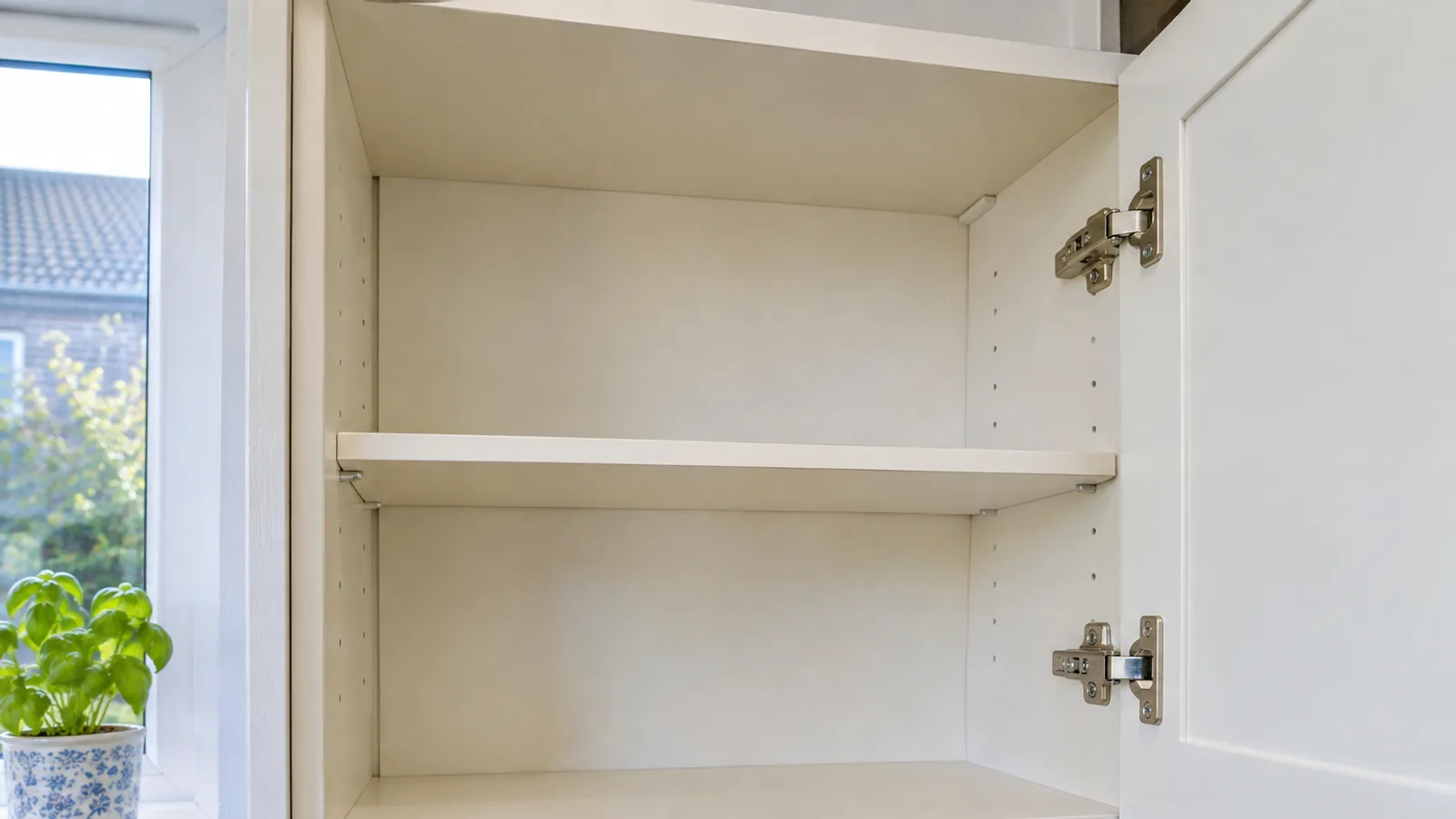
Small dark specks in a kitchen cupboard can be alarming, but one mark is not a cockroach diagnosis. Crumbs, dust and residues from packaging can look similar. Cockroach activity is more persuasive when marks appear with a live insect, shed skins, an egg case or repeated spotting in sheltered places. A careful check should protect food, preserve the position of the signs and help an inspector identify the insect and the area it is using.
Start with the pattern, not the speck
The British Pest Control Association lists droppings, egg cases, shed skins, odour in larger infestations and damaged food among possible cockroach signs. Cardiff Council describes small dark droppings or smears around cupboards, skirting boards and appliances. These descriptions are useful, but the appearance of droppings varies by insect and setting. Do not decide from an enlarged phone image alone.
Look at where specks collect. Are they tucked into a rear corner, along a hinge, beneath a shelf or beside pipework? Are they present in more than one cupboard? A mark near a warm appliance or moisture source may deserve a closer check. Record whether the shelf was recently cleaned. A new cluster on a clean surface is more informative than a few undated dots found during a seasonal clear-out.
Photograph the detail with a familiar object for scale, then take a wider image showing the cupboard and its surroundings. Do not scrape the mark onto your hand or blow it away for a better picture. If you see a live insect, photograph it in place if possible. A specimen in a closed, clear container can help identification, but do not handle it with bare fingers.
If the specks are on a removable shelf liner, photograph the liner in place before taking it out for cleaning. Mark which shelf it came from. A loose liner laid on a worktop loses the position clue and may expose a food preparation area. Keep suspect material away from clean dishes and utensils. If you cannot safely collect it, the photographs and location note are enough for an initial discussion.
Check other clues in the same cupboard
Egg cases can be found in sheltered places, but a brown capsule should not be identified from colour alone. Shed skins may resemble a pale, hollow insect. These objects are stronger clues when their shape can be seen clearly and they occur near repeated spotting or live activity. The Food Standards Agency includes insects, egg cases, moulted skins and droppings in its list of cockroach signs for food premises. A home check can use those categories without assuming that every small object fits one of them.
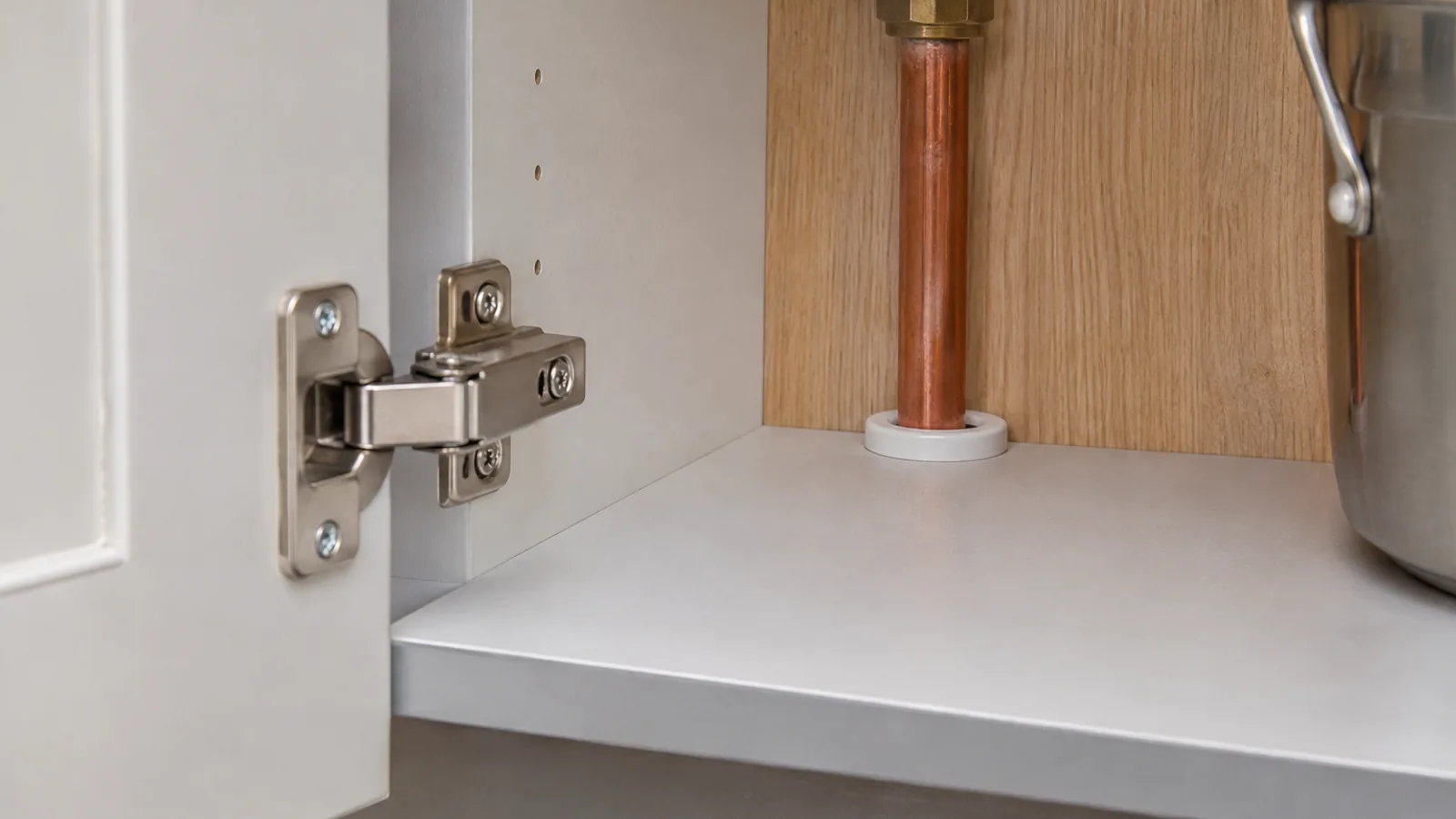
Inspect accessible shelf edges, hinges, the back panel and the joint where a cupboard meets the wall. Use a torch rather than dismantling fixed units. Look beneath the sink, but do not reach blindly behind pipes or electrical fittings. If the area is damp or a pipe is leaking, note that separately. Cockroaches can favour warm or damp sheltered spaces, yet a leak is not proof that they are present.
Check packaging for damage and whether food was stored open. If a packet may have been contaminated, discard it. Keep unaffected dry food in closed containers while the issue is assessed. Wipe food preparation surfaces with a suitable cleaner and maintain ordinary kitchen hygiene. Do not leave suspected contamination in a food cupboard for days merely to show an inspector; photograph it first and record what you removed.
Empty a cupboard in small groups if cleaning is necessary. Place items from a suspect shelf on a cleanable surface, inspect their outer packaging and keep them separate from items already checked. Avoid carrying a whole drawer of loose packets into another room. When the shelf is clean, photograph it as a baseline. If dark marks return, their location and timing may tell the technician more than the original undated discovery.
Look beyond the cupboard door
An open cupboard gives only part of the picture. The BPCA advises checking around pipes, stoves, sinks and warm appliance motors. Note signs behind a movable bin, along the skirting or near a dishwasher without pulling a heavy appliance out yourself. A cockroach seen on the counter may have come from a nearby sheltered gap, and signs can be distributed across more than one kitchen area.
If the cupboard is in a shared kitchen, ask other users to report sightings with dates and positions. Avoid blaming the last person who used it. A delivery, appliance or neighbouring void may be relevant, but those are hypotheses until inspected. Keep one simple log of observations and cleaning so old and new signs do not get mixed.
Professional cockroach control depends on identifying the insect and locating its harbourages. A pest inspection can compare cupboard marks with other evidence and decide whether adjacent appliances or rooms need checking. Treatment placed only where a speck was seen may miss the actual hiding area.
Avoid actions that obscure the evidence
Do not cover the cupboard in household spray before identification. Food contact surfaces and stored food need protection, and unsuitable products can spread exposure. The Food Standards Agency warns that pest control baits and chemicals must not contact food, packaging or equipment. A professional can choose suitable locations and explain safety precautions for the particular kitchen.
If you clean a shelf, note the date and take a reference photograph afterwards. New spots can then be compared with the baseline. If a monitor is installed by a technician, do not move it or clean through it. Record any insects caught and let the provider inspect or interpret the device. A home-made count from a single trap cannot describe the whole infestation.
The technician may use monitoring to establish species and location before deciding on the next action. Ask where the devices are and how often they will be checked. Keep children and pets away if instructed, and tell cleaners not to discard them. A negative monitor at one cupboard does not rule out activity behind an appliance or in another void; the devices are part of a broader inspection.
Decide when to seek help
A live cockroach, egg case, shed skin or repeated dark spotting in a food area warrants prompt assessment. A single unidentifiable fleck still deserves a careful check, but it may not justify a conclusion. Bring the photographs, cupboard location and any insect specimen to the visit. Tell the technician whether the area is damp, which appliances are nearby and what has already been cleaned or sprayed.
The aim is to establish whether cockroaches are present, where they are sheltering and whether food or equipment may have been exposed. Clear photographs and a short timeline make that easier. They also prevent an ordinary cupboard stain from being mistaken for an infestation, while ensuring real signs are not dismissed because a live insect has not yet appeared in daylight.
Best time for a pest control visit today
Checking London conditions, weather and visit access difficulty...
Live London weather
Based on weather, time and pest type
Preparing advice...